

Key Takeaways:
- Care requirements for seniors are dynamic, necessitating a caregiver who can adapt to physical and cognitive changes.
- Monitoring by a home caregiver helps identify health shifts before they become emergencies.
- Continuous training ensures that the caregiver remains competent as more complex medical or mobility needs arise.
- A flexible care plan reduces family stress by providing a clear roadmap for different stages of the ageing process.
Introduction
Ageing is not a single event, but a continuous journey with various stages and shifts. Because of this, the support you put in place today might not be sufficient a year-or even a month-down the line. Many families make the mistake of setting a rigid care plan and then failing to revisit it until a crisis occurs. A truly effective caregiving arrangement is designed to be fluid. Whether it is a recovery from a minor fall or the gradual progression of a chronic illness, having a maid for elderly care who can grow with the situation is invaluable. It provides a sense of continuity that is vital for a senior’s emotional well-being.
Recognising the Early Signs of Change
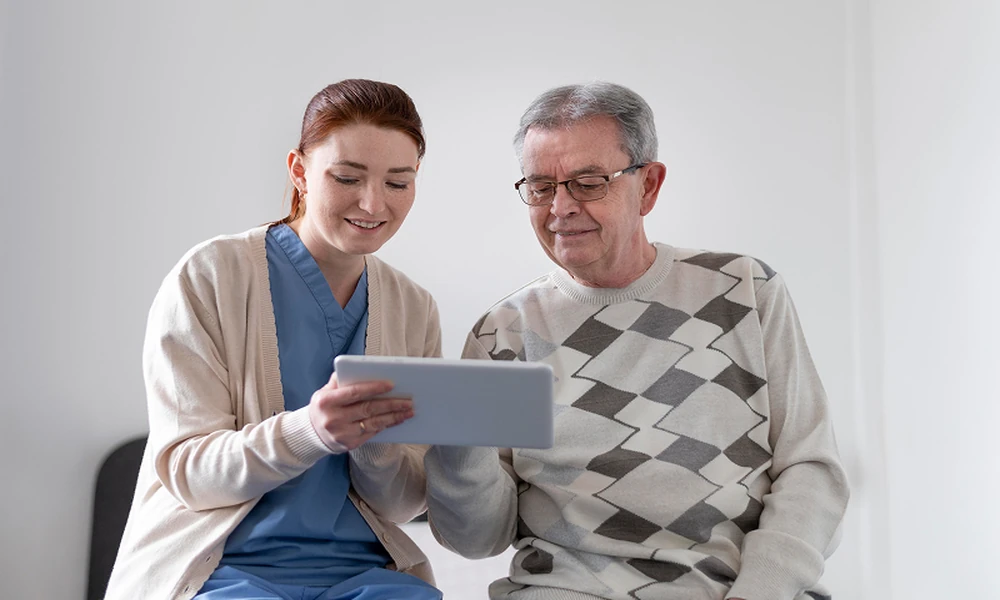
One of the most significant benefits of having a consistent home caregiver is their ability to spot subtle changes in a senior’s daily routine. Because they spend the most time with your loved one, they are the first to notice if Mum is walking a bit more slowly or if Dad seems more confused in the evenings. These small observations are early warning signs that the current level of support might need to be adjusted. By catching these shifts early, you can often implement small changes-like new mobility aids or a change in diet-that prevent a more serious decline.
This approach requires a high level of trust between the family and the caregiver. The helper needs to feel empowered to speak up about what they see. You know what? It’s often the little things that matter most, like a senior suddenly losing interest in a favourite hobby or forgetting to drink enough water. A caregiver who is attentive to these nuances is more than just a helper; they are a vital link in the healthcare chain. They provide the real-time data that doctors and family members need to make informed decisions about future care.
Adapting Skills for Increasing Complexity
As seniors’ health needs become more complex, the skills required to care for them must also evolve. A maid for elderly care might start with basic tasks like meal preparation and companionship. However, if the senior develops mobility issues or requires medication management, the caregiver needs to be upskilled. This might involve learning how to use a hoist, administering specialised treatments, or understanding the behavioural challenges associated with dementia. Investing in this continuous learning ensures that the quality of care remains high, even as the difficulty of the job increases.
It is also important to consider the psychological transition for the caregiver. Moving from a companionship role to a more intensive medical support role can be challenging. They need emotional support and clear instructions to handle the increased responsibility. When the family and the care agency work together to provide this training, the caregiver feels more confident and less overwhelmed. This confidence translates directly into better care for the senior. It’s about building a sustainable system where everyone involved feels equipped to handle the challenges that come their way.
The Importance of Flexible Care Plans
A good care plan should never be set in stone. It should be a living document that is reviewed regularly by the family, the caregiver, and potentially healthcare professionals. This flexibility allows you to scale the level of support up or down as needed. For example, after a hospital stay, a senior might need intensive supervision for a few weeks, which can then be tapered off as they regain their strength. Having a home caregiver in Singapore who understands this ebb and flow of needs makes these transitions much smoother and less stressful for the family.
This flexibility also extends to the household routine. As a senior’s energy levels change, their daily schedule should adapt to match. Maybe they need more rest in the afternoons, or perhaps they benefit from shorter, more frequent walks. A caregiver who can pivot their duties to match the senior’s good and bad days provides a much higher quality of life. It’s about being responsive to the human being, rather than just ticking boxes on a checklist. This person-centred approach is what differentiates basic assistance from true, compassionate caregiving that values the individual.
Ensuring Long-Term Stability and Peace of Mind
The ultimate goal of evolving care is to provide the senior with as much independence and dignity as possible for as long as possible. When the support system evolves seamlessly, the senior doesn’t feel like they are constantly having to adjust to new people or new rules. They feel safe in their own home, knowing that their needs are being met by someone who truly knows them. For the family, this creates a profound sense of peace of mind. You aren’t constantly worried about whether the current arrangement is enough because you know the system is designed to change.
Long-term stability in caregiving also reduces the revolving door of helpers, which can be very distressing for an elderly person. By supporting the caregiver and adjusting their role as the situation changes, you increase the likelihood that they will stay for the long term. This consistency is the foundation of a strong bond between the senior and the helper. It’s a virtuous cycle: better support leads to a happier caregiver, which leads to better care, which leads to a more stable home environment. It is an investment that benefits everyone involved in the care journey.
Conclusion
Navigating the changing needs of an elderly loved one can be daunting, but you don’t have to do it alone. By choosing a caregiving solution that prioritises flexibility and continuous growth, you ensure that your family member is always supported, no matter what the future holds. It is about being prepared for the journey, not just the current mile. If you are looking for a partner who understands the evolving nature of senior care, we invite you to reach out. Contact us at Top Faith to learn more about our adaptable caregiving services and how we can support your family.
