

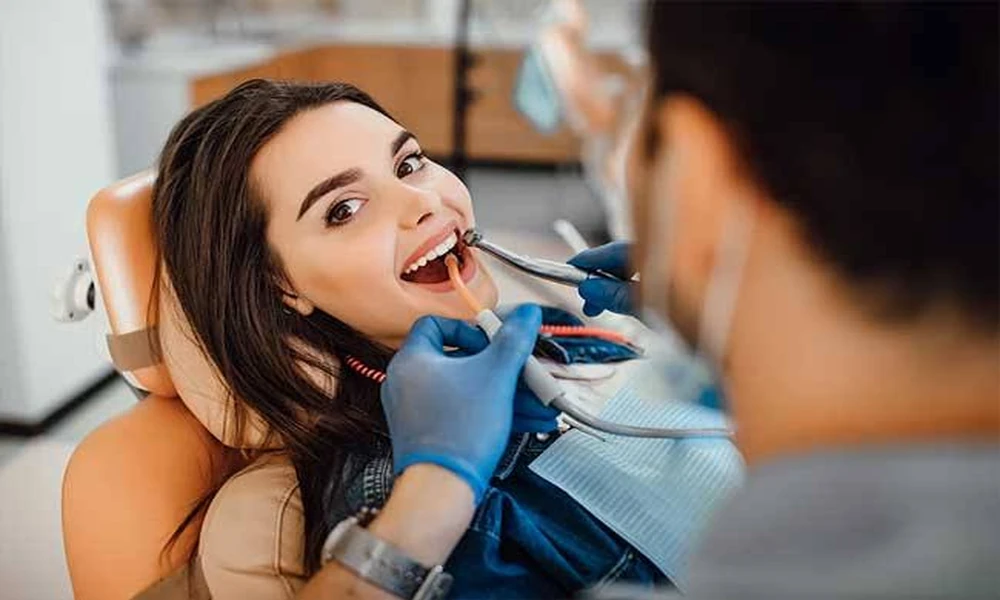
You sit down for a routine cleaning, hear the whir of a small tool, and suddenly you are wondering what that gritty paste and spinning cup are actually doing to your teeth. That reaction is common. A lot of people assume polishing is just the “shine” part at the end of a visit, but it can raise real questions about sensitivity, enamel, stains, and whether it is always needed. Some patients also ask about other dental services, including same-day crowns in Green Bay WI.
Dental polishing during a cleaning is usually done to remove surface stains and soft plaque that remain after scaling. It can make teeth feel smoother and look brighter, but it is not the same as whitening, and it is not automatically the right choice at every appointment. The details matter, especially if you have sensitive teeth, exposed roots, gum recession, or a lot of enamel wear.
A routine dental exam often includes a close look at your teeth and gums before any cleaning steps are chosen. That matters because polishing should fit your mouth’s condition, not just the office routine.
Dental polishing is a finishing step, not the whole cleaning
When most people think of a cleaning, they picture everything happening as one process. In reality, the appointment has separate parts. A provider checks for signs of decay, gum disease, and other concerns. Then scaling removes hardened buildup and plaque from the teeth and around the gumline. Polishing may come after that.
Teeth polishing after cleaning usually uses a soft rubber cup, brush, and a mildly abrasive paste. The goal is to smooth the tooth surface and lift external stains from coffee, tea, red wine, tobacco, or strongly pigmented foods. That smooth feeling you notice with your tongue afterward is real. Fewer rough spots can make it harder for fresh plaque to cling as quickly.
It still has limits. Polishing does not remove tartar once it has hardened. It does not treat gum disease. It does not whiten teeth the way bleaching does. If stains sit deeper inside the tooth, polishing will not change them much.
Not every mouth benefits from polishing the same way
This is where people get frustrated. You may leave one appointment feeling fresh and clean, then hear at another visit that polishing should be skipped or done gently. That can sound inconsistent, but it usually reflects your oral health at that moment.
If you have healthy enamel and some light surface staining, polishing may be simple and helpful. If you have thinning enamel, root exposure from gum recession, active sensitivity, or certain restorations, aggressive polishing can be uncomfortable and may remove a tiny amount of tooth structure that you would rather keep. Dental hygiene training materials and preventive care standards treat polishing as a selective procedure, not something that has to happen the same way for every patient. The broader concept of professional preventive cleaning is also reflected in the medical subject heading for dental prophylaxis.
You may also hear about “selective polishing.” That means the provider targets stain where it exists instead of polishing every tooth by default. In many cases, that approach makes sense. It respects the fact that prevention is not one size fits all.
Clinical training programs also teach students to assess stains, gum health, exposed root surfaces, and patient comfort before polishing. You can see that patient-centered approach reflected in this dental hygiene student handbook.
Surface stain removal has benefits and limits
There is a practical reason people like polishing. Stains can make teeth look dull even when they are healthy, and rough areas can leave your mouth feeling less clean. Removing those surface marks often improves comfort and appearance right away.
The problem starts when polishing gets confused with deeper treatment. If you have brown buildup near the gumline, that may be tartar that needs scaling, not just polishing. If your teeth look yellow because the inner dentin shows through worn enamel, polishing will not solve that. If your gums bleed often, the priority is finding the cause, not making the enamel shine.
That is why a good general dentist or hygienist does more than move through a checklist. They look at what your teeth actually need.
Professional polishing and home stain removal are not equal
| Approach | What It Can Do | Limits | Best Use |
|---|---|---|---|
| Professional polishing during a cleaning | Removes many surface stains, smooths tooth surfaces, follows an oral health assessment | Does not remove tartar or deeply internal stains, may be skipped in sensitive areas | Routine preventive visits with a general dentist |
| Whitening toothpaste at home | Helps reduce mild surface staining over time | Can be abrasive if overused, slower results, does not replace cleaning | Maintenance between dental visits |
| DIY abrasive methods | May temporarily scrub some surface discoloration | Higher risk of enamel wear and gum irritation, uneven results | Best avoided |
| Professional whitening | Lightens intrinsic and extrinsic discoloration more effectively than polishing | Does not treat plaque, tartar, or gum problems | Cosmetic improvement after oral health issues are addressed |
Polishing teeth during a cleaning works best when it stays in its lane. It is a useful finishing step, not a substitute for treatment, and not something to force if your mouth is already irritated.
Three steps to take before your next cleaning
Ask whether polishing is recommended for your teeth today. That single question opens the door to a better conversation. If you have sensitivity, gum recession, veneers, crowns, or exposed roots, say so before the cleaning starts. You deserve to know why a step is being done, not just have it happen.
Describe the kind of stains or discomfort you notice at home. If your teeth pick up coffee stains fast, mention it. If cold air hurts near the gumline, mention that too. Surface stain, tartar, enamel wear, and root sensitivity can look similar to you in the mirror but need different responses in the chair.
Focus on daily habits that keep polishing from doing all the work. Brush with a fluoride toothpaste, clean between the teeth every day, and rinse with water after dark drinks if you can. That reduces buildup and stains, which means less scrubbing later and a better chance of keeping enamel comfortable over time.
A smoother finish should never come at the expense of comfort
If you have been unsure about what happens during a cleaning, you are not overthinking it. Dental polishing is helpful for many people, but it is still a choice that should match your teeth, your gums, and your comfort level. The right cleaning is not the most aggressive one. It is the one that removes what needs to come off and leaves healthy tissue alone.
When you schedule your next visit with a general dentist, ask for a clear explanation of which cleaning steps fit your mouth and why. That kind of conversation usually leads to better care and a much less stressful appointment.
