

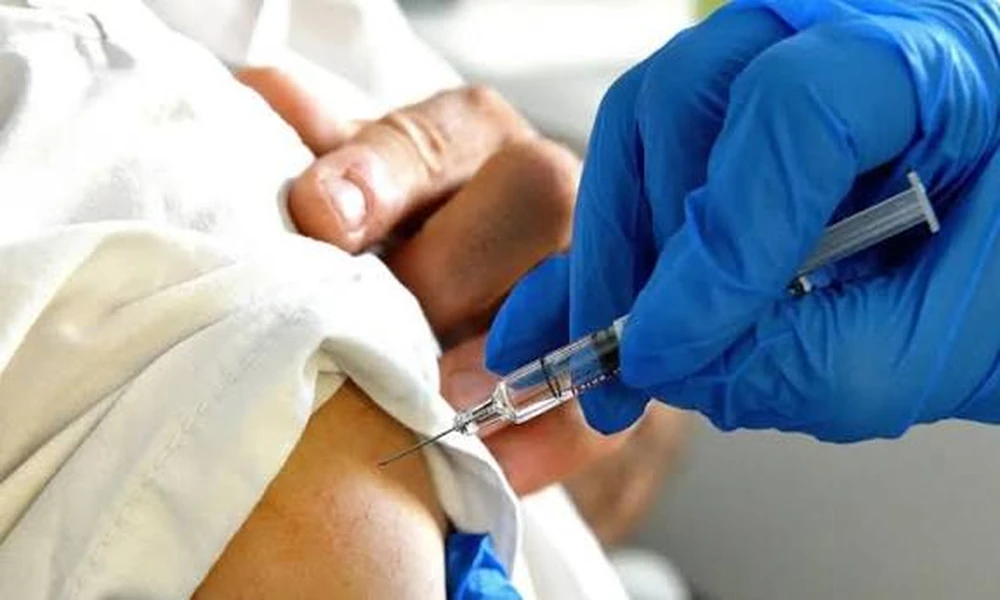
Frequent travellers may visit destinations with different infectious disease risks. The following vaccines are worth discussing with a healthcare professional, depending on your itinerary, activities and vaccination history. Getting the appropriate travel vaccinations before departure can help reduce the risk of preventable infections.
Consulting a travel vaccine clinic can also help identify which immunisations may be appropriate for your destination.
1. Hepatitis A Vaccine
Hepatitis A is a liver infection that can spread through contaminated food and water. Travellers visiting destinations with inadequate sanitation may face a higher risk of exposure.
Vaccination is recommended for many travellers who are not already immune. Depending on the vaccine used, a complete series may require additional doses after the initial injection. Practising good food hygiene remains important even after vaccination.
2. Typhoid Vaccine
Typhoid fever is a bacterial infection commonly transmitted through contaminated food or water. It is a consideration for travellers visiting parts of South Asia and other regions where the disease is prevalent.
The vaccine is available in injectable and oral forms in some countries. Protection is not complete, so safe drinking water, thoroughly cooked food and regular handwashing remain essential precautions.
3. Hepatitis B Vaccine
Hepatitis B affects the liver and spreads through infected blood and certain bodily fluids. Potential exposure can occur through sexual contact, contaminated needles or medical procedures involving unsafe equipment.
Frequent travellers who are not fully vaccinated should discuss protection with their healthcare provider, particularly when visiting areas where hepatitis B is common or staying for extended periods. The number of doses depends on the vaccine and schedule used.
4. Yellow Fever Vaccine
Yellow fever is a mosquito-borne viral disease found in certain areas of Africa and South America. Some countries require proof of vaccination from travellers arriving from risk areas.
The vaccine is generally administered at least 10 days before entry when required. Because it is a live vaccine, certain people may need additional assessment before receiving it. Check destination requirements well before departure and keep the required vaccination certificate if applicable.
5. Rabies Vaccine
Rabies is a serious viral infection usually transmitted through bites or scratches from infected animals. Once symptoms develop, it is almost always fatal, making prevention especially important for travellers visiting remote areas.
Pre-exposure vaccination may be considered for people planning outdoor adventures, animal-related activities or extended stays where prompt medical treatment may be difficult to access.
Even if vaccinated, anyone bitten or scratched by a potentially infected animal should seek urgent medical attention. Additional treatment may still be necessary.
6. Japanese Encephalitis Vaccine
Japanese encephalitis is a mosquito-borne viral infection found in parts of Asia and the western Pacific. Although the risk for most short-term urban travellers is low, the disease can cause serious neurological complications.
Vaccination may be recommended for people staying in affected areas for extended periods or frequently visiting rural locations. Outdoor activities, travel season and accommodation conditions also influence the decision.
7. Meningococcal Vaccine
Meningococcal disease can cause meningitis and bloodstream infections. Vaccination may be recommended for travellers visiting areas with increased transmission, including parts of sub-Saharan Africa during certain seasons.
It is also required for eligible pilgrims travelling to Saudi Arabia for Hajj or Umrah under applicable entry rules. Check the latest requirements before booking your appointment because documentation and timing requirements may apply.
8. Influenza Vaccine
Influenza spreads easily in crowded environments, including airports, aeroplanes, cruise ships and tourist attractions. Travellers may encounter different influenza strains depending on their destination and the time of year.
Annual influenza vaccination is recommended for many people, particularly older adults, pregnant individuals and those with certain chronic conditions. Ask your healthcare provider whether your vaccination is up to date before travelling.
When Should You Get Vaccinated Before Travelling?
Ideally, arrange a travel health consultation at least four to six weeks before departure. Some vaccines require multiple doses, while others need time to provide protection. Starting early also allows time to discuss medical conditions, medications and possible side effects.
A healthcare professional can recommend suitable travel vaccines based on your destination, trip duration, planned activities and existing immunity. If your departure is approaching, seek advice anyway, as some vaccinations can still be beneficial.
Conclusion
Preparing for international travel involves more than booking flights and accommodation. Understanding destination-specific health risks and checking your immunisation history can help you make informed decisions about preventive care.
Not every traveller needs all eight vaccines. Consult a healthcare professional before departure to determine which vaccinations are appropriate and whether you need additional precautions. Combining vaccination with good hygiene, safe food and water practices, and insect-bite prevention can help you travel more confidently.
