

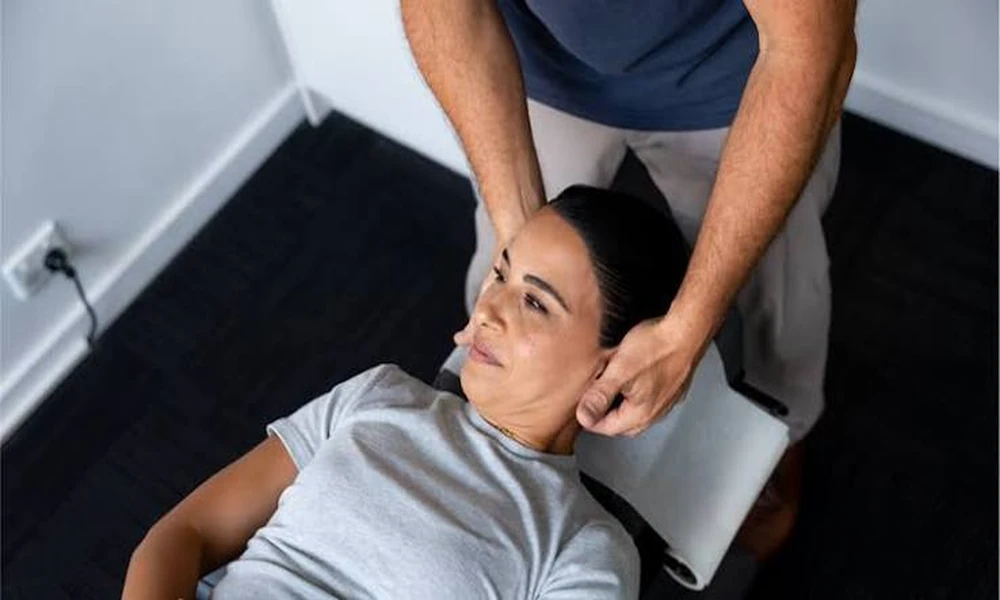
Headaches are often treated as a single problem, but there are many different types, each with its own causes and treatments. Some headaches are linked to the neck and may respond to manual therapy, while others are not and require different care. A headache chiropractor can help with certain types, but understanding which headaches are likely to benefit, and which need medical assessment, is essential for safe and effective treatment.
Why Headache Type Matters
Headaches are classified into primary headaches, which are not caused by another condition, and secondary headaches, which result from another problem such as injury, infection or a neck disorder. Primary headaches include tension-type headaches, migraines and cluster headaches. Secondary headaches include cervicogenic headaches, which come from the neck. Treatment depends heavily on the type, so accurate diagnosis is the first step. Many people also have more than one type at the same time, such as migraines alongside tension-type headaches, which can make the picture harder to read.
Tension-Type Headaches
Tension-type headaches are the most common type. They often feel like a band of pressure around the head and may be associated with tight neck and shoulder muscles, stress, poor posture and lack of sleep. Manual therapy, soft tissue work and exercise may help some people, particularly where muscle tension and posture are contributing factors. Lifestyle changes, such as managing stress and improving sleep, are also important. Regular breaks from screens and simple neck exercises during the working day can reduce how often these headaches occur.
Cervicogenic Headaches
Cervicogenic headaches originate from structures in the neck, such as joints, discs or muscles. The pain usually starts in the neck and spreads to one side of the head, often worsening with neck movements or sustained postures. This type of headache has the strongest evidence for manual therapy, with studies suggesting that spinal manipulation and mobilisation, combined with exercise, can reduce headache frequency and intensity for some patients. Strengthening the deep muscles at the front of the neck appears to be particularly useful for preventing recurrence.
Migraines
Migraines are a neurological condition, often involving throbbing pain on one side of the head, sensitivity to light and sound, nausea and sometimes visual disturbances. Evidence for chiropractic care in migraine is limited. Some patients report benefit from manual therapy as part of a broader management plan, but migraines usually require medical diagnosis and treatment, including medication and identification of triggers. A chiropractor should work alongside a doctor rather than replace medical care for migraine.
Warning Signs That Need Urgent Attention
Some headaches signal a serious problem and require immediate medical assessment. Seek urgent care if you experience:
- A sudden, severe headache, often described as the worst ever
- Headache with fever, stiff neck or rash
- Headache after a head injury
- New neurological symptoms such as weakness, confusion or vision loss
- A new headache pattern after age 50
These symptoms should never be treated with manual therapy without medical assessment.
The Assessment Process
Any headache chiropractor you see will ask about the pattern, location, triggers, frequency and associated symptoms. They will examine neck movement, posture, muscle tension and neurological function. This helps identify whether the headache may have a musculoskeletal component and whether chiropractic care is appropriate. If the findings suggest a different cause, the patient should be referred to a doctor. Overuse of pain medication can itself cause frequent headaches, so practitioners may also ask how often you take painkillers.
Treatment Options
For headaches with a neck or muscle component, treatment may include:
- Spinal manipulation or mobilisation of the neck and upper back
- Soft tissue therapy for tight muscles
- Exercises to strengthen deep neck muscles
- Posture and workstation advice
- Stress management and sleep guidance
The approach is usually tailored to the individual and adjusted based on response. A practitioner who sees no improvement after several sessions should reassess the diagnosis rather than simply continuing the same treatment.
Lifestyle Factors
Many headaches are influenced by daily habits. Long hours at screens, poor sleep, dehydration, skipped meals, caffeine changes and stress can all contribute. Identifying and managing these factors is often as important as treatment. Keeping a headache diary that records timing, triggers and symptoms can help both patients and practitioners understand patterns and measure progress. Regular meals, steady hydration and a consistent sleep schedule are simple changes that help many people.
Safety Considerations
Neck manipulation is generally safe when performed by trained practitioners after proper assessment, though temporary soreness is common. There has been discussion about rare risks associated with neck manipulation, including injury to blood vessels in the neck. While such events are very uncommon, practitioners should screen carefully and use gentler techniques when appropriate. Patients can always ask for low-force alternatives.
Choosing the Right Care
If you experience frequent headaches, start with a medical assessment to rule out serious causes. If a neck-related or tension-type headache is suspected, chiropractic care may be one option. Reading a chiropractor’s guide to headaches and migraines can help you understand which types may benefit and what treatment involves.
Keep a Diary
Recording your headaches for a few weeks before your first appointment gives your practitioner valuable information and helps you both track whether treatment is making a difference.
