
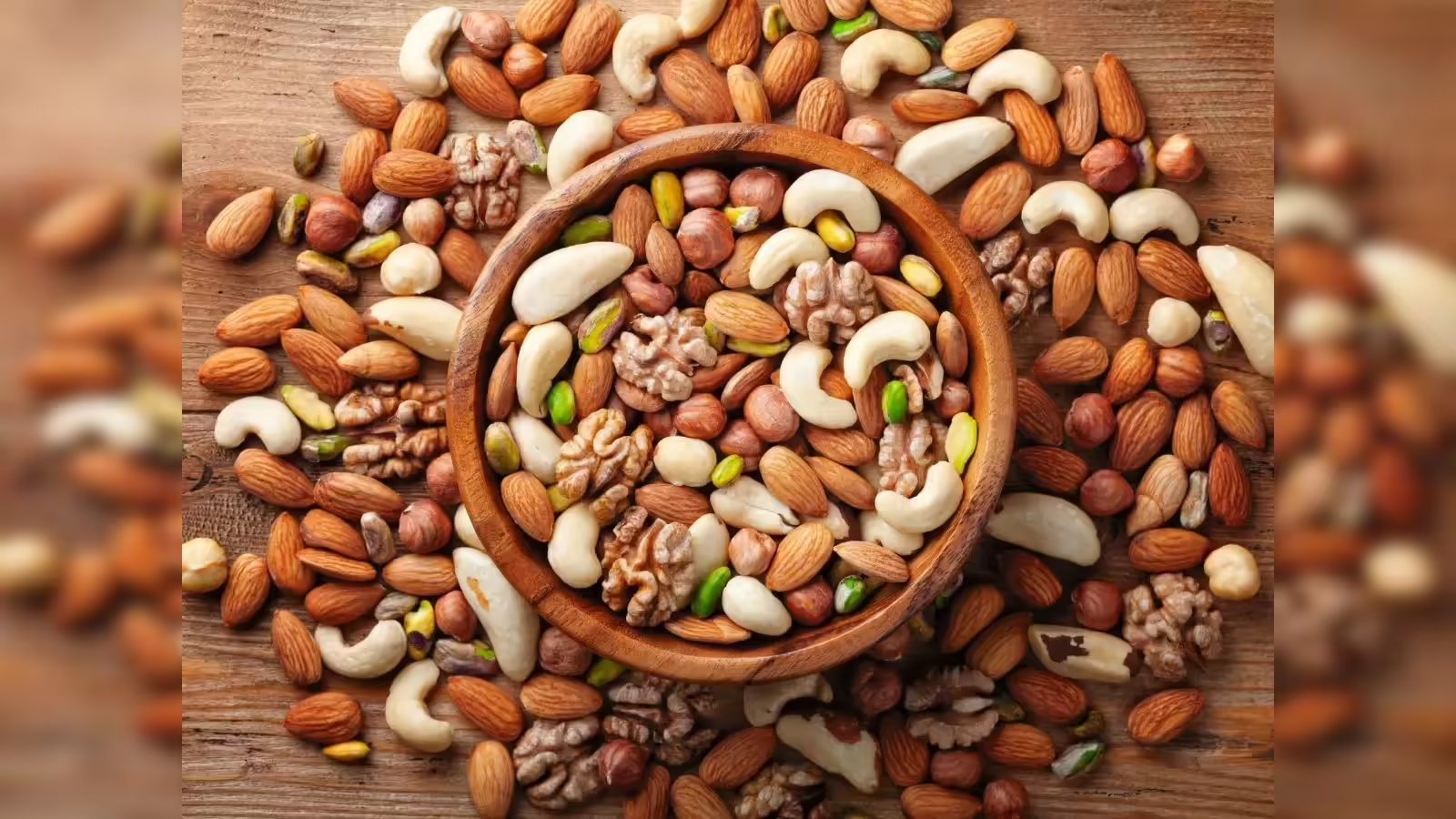
Some people use the phrase “health nut” to tease anyone who cares about ingredients, workouts, or sleep. But there’s a different way to see it: what if being a “holy health nut” simply means treating your body, mind, and soul as gifts you’re responsible for—not projects you have to perfect?
You don’t need an extreme diet or a strict workout cult to live this way. You need clear priorities, gentle structure, and daily choices that honor your values as much as they support your health.
Redefining What It Means to Be “Healthy”
Modern wellness often reduces health to numbers: weight, steps, calories, macros, lab results. Those markers can be useful, but they don’t tell the whole story.
A more “holy” view of health asks different questions:
- Do I have enough energy to love, serve, work, and enjoy my life?
- Do my habits support clarity, peace, and emotional stability?
- Do I treat my body as something I own, or something I’ve been trusted to care for?
From this perspective, chasing a perfect body makes less sense. Instead, you aim for a balanced life where food, movement, rest, and relationships work together.
Nourishing Your Body as an Act of Stewardship
You don’t have to follow the latest diet trend to respect your body. Most people benefit from a few timeless principles:
- Eat more real food. Build meals around vegetables, fruits, whole grains, beans, nuts, seeds, and quality proteins.
- Balance, don’t ban. There’s room for desserts and comfort foods, but they don’t need to dominate every day.
- Honor hunger and fullness. Slow down enough to notice when you’re actually hungry and when you’ve had enough.
- Stay hydrated. Often, fatigue and headaches are tied to simple dehydration.
Think of each meal as an opportunity to fuel the life you’re called to live—not as a test you “pass” or “fail.”
Movement as Worship, Not Punishment
Exercise doesn’t have to mean punishing workouts you dread. It can be a daily thank-you for a body that can still move.
You might choose:
- Walking as a moving meditation or prayer time.
- Strength training a few times a week to protect joints, bones, and independence as you age.
- Gentle stretching or yoga to reduce tension and improve mobility.
- Recreational movement—dancing, hiking, playing with kids or grandkids.
Instead of asking, “How can I burn the most calories?” try asking, “How can I move in a way that supports my body and refreshes my spirit today?”
Guarding Your Mental and Spiritual Health
Being a “holy health nut” also means paying attention to what you feed your mind and heart:
- Sleep: Protect bedtime like an appointment. Chronic sleep debt slowly erodes mood, focus, hormones, and immunity.
- Stress boundaries: Learn when to say no, how to pause before reacting, and where to build in small breaks.
- Thought life: Notice patterns of shame, comparison, and perfectionism around your body—and challenge them.
- Community: Surround yourself with people who celebrate progress, not just appearances.
Your inner world quietly shapes your outer habits. When you care for your mind and soul, healthy choices feel less like punishment and more like alignment.
Organizing the “Paper” Side of Health and Faith
A lot of modern life happens on screens and in documents—both spiritual and medical. Over time, you may collect:
- Lab results and imaging reports
- Doctor visit summaries and care instructions
- Meal plans, healthy recipes, and shopping lists
- Devotional reading schedules, Bible study PDFs, or reflection guides
If these sit in random emails and downloads, they become clutter instead of tools.
It helps to create a simple digital system and manage your PDFs in an intentional way. A browser-based tool like pdfmigo.com lets you work directly in your browser without installing extra software. You can bring all your important health and spiritual resources together in one place by using merge PDF to combine lab reports, visit notes, and study guides into a single, organized file. When you only need to share one portion—like a specific test result for a doctor or just the reading plan for a friend—you can quickly pull out the exact pages you want with split PDF, keeping the rest of your personal information private and tidy.
With a few minutes of organization, your “holy health” life—checkups, goals, prayers, and plans—stops feeling scattered and starts feeling supported.
Avoiding Obsession and All-or-Nothing Thinking
One of the biggest traps in health and spirituality is perfectionism:
- If you miss a workout, you feel like giving up on the whole week.
- If you eat something “off plan,” you feel guilty for days.
- If your quiet time isn’t long or dramatic, you call it a failure.
Real growth is rarely perfect. It looks like small, consistent steps—imperfect meals that are a little better than last month, a few more walks this week than last, a bit more honesty in prayer and journaling than you had before.
Instead of asking, “Was I perfect today?” try asking, “Did I move in the right direction?”
A Gentle Roadmap for the “Holy Health Nut” Life
You don’t have to overhaul everything overnight. You might simply:
- Choose one eating habit to improve (for example, add vegetables to lunch and dinner).
- Choose one movement habit (for example, a 15–20 minute walk most days).
- Choose one soul habit (for example, five minutes of quiet reflection, prayer, or journaling).
- Spend 20–30 minutes organizing your most recent health and spiritual PDFs so they’re easy to find when you need them.
Repeat those steps for a few weeks before adding anything else. Over time, your routines will become part of who you are, not just another “plan” you’re trying to follow.
Being a “holy health nut” isn’t about obsessing over rules. It’s about living in a way that respects the body you’ve been given, calms your mind, and strengthens your spirit—so that you’re more fully present for the people and purposes that matter most.