
How Asbestos Fibers Cause Lung Damage
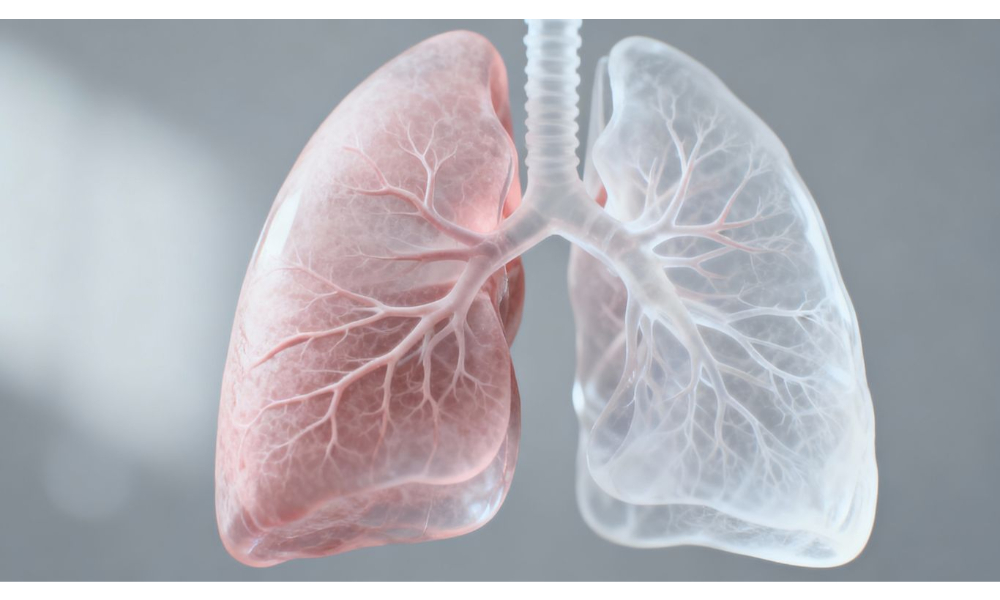
Asbestos is a group of naturally occurring minerals that were once widely used in construction and manufacturing due to their heat resistance and insulating properties. When asbestos-containing materials are disturbed, microscopic fibers can become airborne. Inhaling these fibers is the primary concern. Once inside the lungs, these sharp, durable fibers can lodge in the lung tissue. The body’s immune system struggles to break down or remove these fibers, leading to chronic inflammation. Over time, this persistent inflammation can cause scarring (fibrosis) and cellular damage, which significantly increases the risk of developing certain cancers, most notably mesothelioma and lung cancer. The physical irritation and the body’s prolonged inflammatory response are key mechanisms by which asbestos fibers contribute to cancer development.
Latency Period of Asbestos Related Pulmonary Cancer
One of the most challenging aspects of asbestos-related diseases is the long latency period. This refers to the significant amount of time that passes between the initial exposure to asbestos and the diagnosis of cancer. For lung cancer and mesothelioma, this period can range from 10 to 40 years, and sometimes even longer. This extended delay means that individuals may have forgotten about or may not associate their current health problems with past exposures, especially if the exposure occurred decades ago. This long interval is due to the slow progression of cellular changes initiated by the asbestos fibers. Understanding this latency is important for both diagnosis and for public health awareness regarding past occupational exposures.
Occupational Exposure Risks
Certain occupations have historically carried a much higher risk of asbestos exposure. Workers in industries such as shipbuilding, construction, insulation, mining, and manufacturing were frequently exposed to asbestos fibers. For example, insulation workers often handled asbestos lagging and insulation materials directly. Miners extracted asbestos ore, and factory workers processed it into various products. Even those who worked in proximity to these activities, such as auto mechanics repairing brake pads or plumbers working with asbestos cement pipes, could face significant exposure. While regulations have changed, awareness of these historical risks is vital for individuals who worked in these fields during the peak usage of asbestos. Identifying past work environments can be a key step in assessing an individual’s risk profile for asbestos-related diseases, and resources are available to help understand occupational exposure risks.
Recognizing The Symptoms Of Asbestos Related Pulmonary Cancer
It can be tough to spot asbestos-related pulmonary cancer early on because its symptoms often show up slowly and can be mistaken for other, more common lung issues. This is why paying attention to your body and any changes is so important, especially if you’ve had past exposure to asbestos.
Early Warning Signs
Sometimes, the first signs are pretty subtle. You might notice a persistent cough that just won’t go away, or maybe you’re feeling more tired than usual. A slight shortness of breath, even when you’re not doing much, can also be an indicator. These initial symptoms are often overlooked, but they shouldn’t be ignored. If you’re experiencing any of these, it’s a good idea to talk to a doctor. They can help figure out what’s going on and if it might be related to past asbestos exposure. Early diagnosis is vital because these signs can resemble those of other illnesses. Prompt medical attention is recommended if you experience these symptoms.
Progressive Respiratory Difficulties
As the condition advances, breathing problems tend to get worse. You might find yourself getting winded much more easily during everyday activities. Chest pain can develop, sometimes feeling like a dull ache or a sharp pain, especially when breathing deeply or coughing. Wheezing, which is a whistling sound when you breathe, can also become more noticeable. It’s not just about feeling tired anymore; it’s about your lungs struggling to do their job.
Other Potential Indicators
Beyond the direct breathing issues, other signs might appear. Unexplained weight loss can occur, even if your appetite hasn’t changed much. Some people experience a buildup of fluid in the chest area, which can cause swelling and discomfort. Finger clubbing, a change in the shape of the fingertips and nails, is another less common but possible sign. Recognizing this range of symptoms is key to seeking timely medical evaluation.
Diagnostic Procedures For Asbestos Related Pulmonary Cancer
Figuring out if someone has asbestos-related pulmonary cancer isn’t a simple one-step process. Doctors have to put together clues from different tests to get a clear picture. It’s a bit like detective work, really, piecing together evidence to make an accurate diagnosis.
Imaging Techniques
When doctors suspect asbestos-related lung cancer, they’ll often start with imaging. These scans help them see what’s going on inside the lungs. Think of it as getting an inside look without surgery.
- Chest X-rays: These are usually the first step. They can show larger abnormalities, like tumors or fluid buildup, but they might miss smaller issues.
- CT Scans (Computed Tomography): These provide much more detailed images than X-rays. A CT scan can reveal smaller nodules, assess the size and location of tumors, and check if the cancer has spread to nearby lymph nodes.
- PET Scans (Positron Emission Tomography): Sometimes used, PET scans can help determine if cancer is active and has spread to other parts of the body by detecting metabolic activity.
Biopsy And Pathology
While imaging can show something is wrong, a biopsy is usually needed to confirm cancer and identify its type. This involves taking a small sample of lung tissue.
- Bronchoscopy: A thin, flexible tube with a camera is inserted into the airways to visualize the lungs and take tissue samples.
- Needle Biopsy: A needle is used to extract tissue from a suspicious area, often guided by CT scans.
- Surgical Biopsy: In some cases, a small surgical procedure might be necessary to obtain a larger tissue sample.
⠀
Once the tissue is collected, a pathologist examines it under a microscope. This microscopic examination is the definitive way to diagnose cancer and determine its specific type, which is important for treatment planning. Diagnosing mesothelioma, a cancer often linked to asbestos, follows a similar multi-faceted approach doctors will conduct a physical examination.
Pulmonary Function Tests
These tests don’t directly diagnose cancer, but they are really important for understanding how well the lungs are working. They help doctors assess the overall health of the lungs and how much damage might have already occurred, which is especially relevant for patients with a history of asbestos exposure.
- Spirometry: Measures how much air you can inhale and exhale, and how quickly.
- Lung Volume Measurements: Determines the total amount of air your lungs can hold.
- Gas Exchange Tests: Assesses how well oxygen moves from your lungs into your bloodstream.
These results help doctors gauge the severity of lung impairment and can inform treatment decisions, particularly regarding surgery.
Treatment Strategies For Asbestos Related Pulmonary Cancer
When it comes to treating asbestos-related pulmonary cancer, the approach is often multifaceted, aiming to manage the disease and improve the patient’s quality of life. The specific strategies employed depend heavily on the stage of the cancer, the patient’s overall health, and whether the cancer has spread. A personalized treatment plan is key to effective management.
Surgical Interventions
Surgery might be an option for some patients, particularly if the cancer is detected early and has not spread extensively. The goal of surgery is to remove as much of the cancerous tumor as possible. Different surgical procedures can be considered:
- Resection: This involves cutting out the tumor and a small margin of healthy tissue around it.
- Pneumonectomy: In more advanced cases, removal of an entire lung might be necessary.
- Lobectomy: This procedure involves removing a lobe, or a section, of the lung.
- The decision to proceed with surgery is complex and involves weighing the potential benefits against the risks, which can be significant for individuals already dealing with compromised lung function. It’s important to discuss the specifics of any proposed surgical intervention with your medical team.
Chemotherapy And Radiation Therapy
Chemotherapy uses drugs to kill cancer cells, and it can be administered before surgery to shrink tumors or after surgery to eliminate any remaining cancer cells. It can also be used as a primary treatment if surgery is not an option. Radiation therapy, on the other hand, uses high-energy rays to kill cancer cells. It might be used alone or in combination with chemotherapy, often to target specific areas or to relieve symptoms like pain.
- Systemic Treatment: Chemotherapy works throughout the body.
- Local Treatment: Radiation therapy targets a specific area.
- Combination Therapy: Often, chemotherapy and radiation are used together for a more potent effect.
These treatments can have side effects, and managing them is an important part of the overall care plan. Patients often work closely with oncologists to monitor their response and manage any adverse reactions. For more information on common treatment options, you can explore resources on mesothelioma treatment options.
Palliative Care Approaches
Palliative care is an integral part of treatment, focusing on providing relief from the symptoms and stress of a serious illness. The primary goal is to improve quality of life for both the patient and the family. This type of care is not just for end-of-life situations; it can be provided at any stage of a serious illness. Palliative care teams work alongside other medical professionals to offer an extra layer of support.
Key aspects of palliative care include:
- Symptom Management: Addressing pain, shortness of breath, nausea, and fatigue.
- Emotional and Spiritual Support: Providing counseling and support for psychological and spiritual distress.
- Communication and Decision Making: Helping patients and families understand their treatment options and make informed decisions.
Palliative care aims to make the patient as comfortable as possible, allowing them to live each day to the fullest despite their diagnosis.
Prognosis And Long-Term Management
Factors Influencing Patient Outcomes
The outlook for individuals diagnosed with asbestos-related pulmonary cancer isn’t a simple one-size-fits-all situation. Several elements play a significant role in how a patient might fare over time. The specific type of asbestos-related cancer, such as mesothelioma or lung cancer, makes a difference. Also, the stage at which the cancer is detected is a major factor; earlier detection often leads to better prospects. The patient’s overall health before diagnosis, including any pre-existing lung conditions, can impact their ability to tolerate treatments and recover. Treatment effectiveness and adherence are also key components of the prognosis.
Ongoing Monitoring And Support
Following initial treatment, a structured plan for ongoing monitoring is vital. This typically involves regular check-ups with the medical team to watch for any signs of the cancer returning or spreading. Imaging scans, like CT scans or PET scans, are often part of this follow-up schedule. Patients may also undergo pulmonary function tests to keep track of their lung health. Beyond medical follow-up, emotional and psychological support is incredibly important. Connecting with support groups or seeking counseling can help patients and their families cope with the challenges of living with a serious illness. Access to resources for managing symptoms and improving quality of life is also a priority. For those dealing with asbestos-related diseases, understanding the potential impact on life expectancy is important, as mesothelioma life expectancy can vary widely based on these factors.
Living With Asbestos Related Pulmonary Cancer
Adapting to life after an asbestos-related pulmonary cancer diagnosis involves a multi-faceted approach. Patients often need to make lifestyle adjustments to manage their condition and improve their well-being. This can include:
- Making necessary modifications to their living or working environment to avoid further asbestos exposure.
- Engaging in prescribed physical therapy or rehabilitation programs to maintain lung function and mobility.
- Adopting a healthy diet and ensuring adequate hydration to support the body’s recovery and overall health.
- Seeking out resources for financial and practical assistance, as managing a chronic illness can present significant challenges.
Open communication with healthcare providers about symptoms, concerns, and goals is paramount. The focus shifts towards maintaining the best possible quality of life and managing the long-term effects of the disease and its treatment.