

Key Takeaways
- Cosmetic hair care focuses on maintaining the appearance and condition of the hair and scalp rather than addressing medical causes of hair loss.
- Clinical hair fall solutions are designed to assess and manage underlying factors contributing to hair thinning or excessive shedding.
- A hair fall scalp treatment may be part of either cosmetic or clinical care, depending on its purpose and the professional providing it.
- Choosing an effective hair fall treatment depends on identifying the cause of hair loss instead of relying on general hair care products.
- Understanding the differences helps individuals select an appropriate approach based on their needs.
Introduction
Hair loss can result from genetics, hormonal changes, nutritional deficiencies, stress, medical conditions, or environmental factors. Because of the wide range of possible causes, it is important to distinguish between cosmetic hair care and clinical hair fall solutions. While both approaches may include a hair fall scalp treatment, they differ in their objectives, assessment methods, and expected outcomes. That said, for individuals seeking an effective hair fall treatment in Singapore, understanding these differences can help set realistic expectations and guide informed decisions.
Purpose and Primary Focus
The most significant difference lies in the purpose of each approach. Cosmetic hair care is intended to improve the condition and appearance of the hair and scalp. Products such as shampoos, conditioners, scalp scrubs, serums, and hair masks are generally formulated to cleanse, moisturise, or strengthen the hair shaft. They may help hair appear fuller, smoother, or healthier but are not designed to diagnose or manage medical causes of hair loss.
Clinical hair fall solutions, on the other hand, focus on identifying factors contributing to excessive hair shedding or thinning. This may involve evaluating medical history, lifestyle, scalp condition, and other relevant factors before recommending a suitable course of management. The objective is to address the factors associated with hair loss rather than simply improving the appearance of existing hair.
Assessment and Diagnosis
Another key difference is the level of assessment performed before treatment begins. Cosmetic hair care routines are usually selected based on hair type, scalp condition, or personal preference. Consumers often choose products according to concerns such as dryness, oiliness, frizz, or damaged hair without undergoing any formal evaluation.
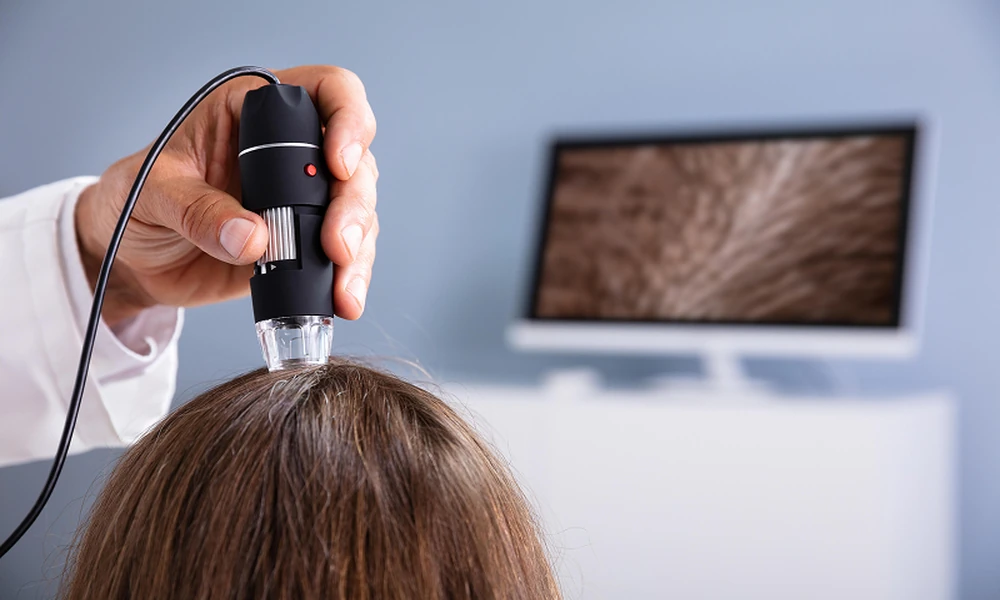
Clinical hair fall solutions involve a more structured assessment to determine potential causes of hair loss. Depending on the situation, professionals may examine the scalp, assess hair density, review health history, or recommend further investigations when necessary. This process helps determine whether cosmetic care alone is appropriate or whether additional management may be required.
Types of Treatments Used
The treatments used in each category also differ considerably. Cosmetic hair care generally includes products intended for routine maintenance, such as cleansing shampoos, nourishing conditioners, leave-in treatments, and styling products that improve the appearance of the hair. Some cosmetic products may also include ingredients that support scalp hygiene or improve the condition of existing hair.
Clinical solutions may incorporate topical applications, medical therapies, or professionally administered procedures, depending on the individual’s diagnosis and treatment plan. A hair fall scalp treatment can therefore exist in both settings, but its formulation, objective, and method of application may differ depending on whether it is intended for cosmetic maintenance or clinical management.
Expected Results and Timeframe
Expectations should also differ between cosmetic and clinical approaches. Cosmetic hair care generally aims to improve hair texture, shine, manageability, and overall appearance over a relatively short period. While these improvements may make hair appear healthier, they may not significantly affect the underlying causes of hair loss.
Clinical hair fall solutions typically require a longer timeframe because hair growth follows natural cycles. Progress is usually monitored over several months, and treatment plans may be adjusted based on individual response. Anyone seeking an effective hair fall treatment should understand that visible improvement often depends on the underlying cause of hair loss, consistency with treatment, and regular follow-up where required.
Professional Guidance and Suitability
Cosmetic products are widely available for self-selection and routine use, making them suitable for individuals without significant hair loss concerns who wish to maintain scalp and hair health. They are generally intended to complement everyday grooming habits rather than replace professional assessment when persistent hair loss occurs.
Clinical hair fall solutions generally involve consultation with qualified professionals who can recommend appropriate management based on individual findings. This distinction is particularly important when hair shedding becomes persistent, patchy, or progressively worsens despite regular hair care, as professional evaluation can help determine the most appropriate next steps.
Conclusion
Cosmetic hair care and clinical hair fall solutions serve different purposes despite sharing the common goal of supporting healthier hair. Cosmetic routines primarily improve the appearance and condition of the hair, while clinical approaches focus on identifying and managing factors contributing to hair loss. Understanding these differences allows individuals to choose the most appropriate option for their circumstances. Whether considering a routine hair fall scalp treatment or searching for an effective hair fall treatment, selecting an approach based on the underlying cause rather than appearance alone provides a more informed starting point.
Visit Bio Organicare and discover the right approach to hair fall management today.
