

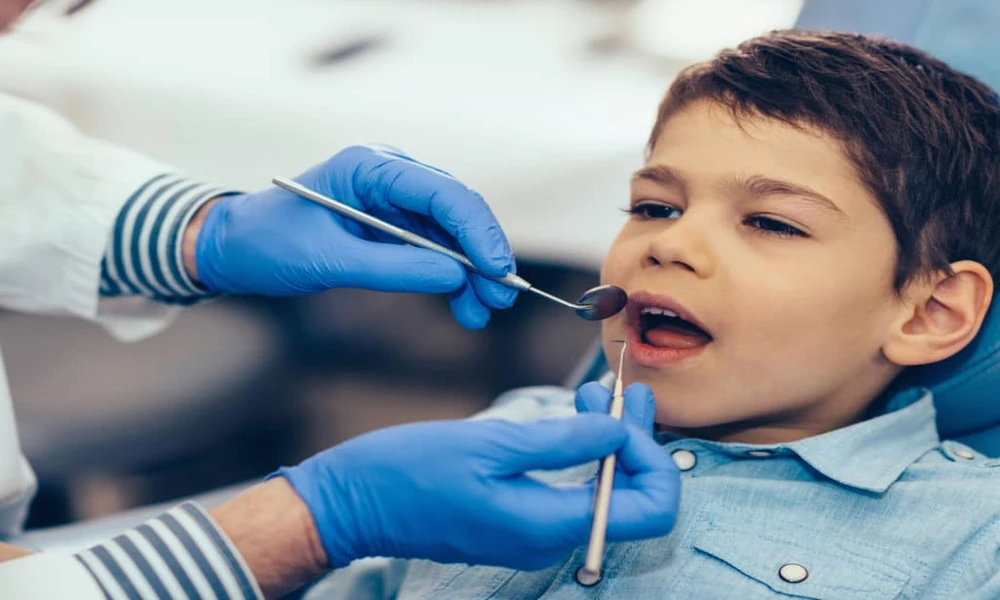
You might be noticing the small things first, a complaint about tooth pain, a new dislike of cold drinks, or the worry that comes when you see a dark spot on your child’s tooth and wonder if it means trouble. It is easy to feel guilty or overwhelmed, especially when you are already juggling school, meals, schedules, and everything else family life asks of you. The good news is that How Family Dentists Help Prevent Tooth Decay In Children often comes down to steady, simple care, and families looking for support may turn to Matuszak and Associates Brighton MI. A family dentist can spot early signs of problems, guide daily habits, and use proven tools like cleanings, fluoride, and sealants to lower the risk of cavities before they grow into bigger issues.
That matters because tooth decay in children can move fast. What starts as a small weak spot in the enamel can turn into pain, missed school, trouble eating, and treatment that costs more than most parents expect. Because of this tension, you might wonder what a family dentist actually does to prevent all of that, and whether regular visits really make a difference. They do, and often in ways that are easy to miss until a problem has already started.
Why does childhood tooth decay happen so easily?
Children are still learning how to brush well, and many common snacks and drinks leave sugar and acid on the teeth for hours. Even a child who brushes every day can miss the back molars, brush too quickly, or snack often enough that the mouth never gets a real break. So where does that leave you? It means prevention is not just about effort. It is also about timing, technique, and having the right support.
A children’s cavity prevention plan usually starts with routine exams. During these visits, a family dentist checks for early decay, watches how adult teeth are coming in, and looks at areas where food and plaque tend to hide. That early view matters. If a weak spot is caught soon, the fix may be as simple as better brushing support, fluoride, or a sealant instead of a filling later on.
There is also the home side of the equation. Many parents are surprised to learn that bedtime brushing matters so much because saliva drops while your child sleeps, which means sugar and bacteria can stay on the teeth longer. The Centers for Disease Control and Prevention shares helpful oral health tips for children that reinforce the basics families can use every day.
How can a family dentist stop small dental problems from turning into cavities?
Prevention works best when it is layered. A family dentist does more than clean teeth. Cleanings remove plaque that brushing leaves behind, especially around the gumline and on back teeth. Fluoride treatments help strengthen enamel so teeth can better resist acid attacks from food and bacteria. Dentists also teach children and parents how to brush and floss in ways that fit real life, not some perfect routine that falls apart after a week.
Then there are sealants, which many parents hear about but do not fully understand. Molars have deep grooves that trap food and bacteria, and those areas are hard for small hands to clean well. Dental sealants cover those grooves with a thin protective coating. According to the CDC, dental sealants can prevent many cavities in children’s back teeth, where decay often starts.
What if your child already has one cavity? That does not mean you failed, and it does not mean more are guaranteed. It often means your child needs a more tailored routine, closer checkups, or a different approach to snacks, drinks, and brushing. A good family dentist helps you adjust without shame, which is often what parents need most.
What is the difference between home care and professional dental care for kids?
Home care is the foundation, but it is not the whole structure. Professional care adds early detection, treatments you cannot do at home, and guidance based on your child’s age, risk, and habits. If you are trying to weigh both, this comparison can help.
| Area | At Home | With a Family Dentist |
|---|---|---|
| Daily plaque control | Brushing twice a day and flossing help remove food and bacteria | Professional cleanings remove buildup in spots children often miss |
| Early cavity detection | Parents may only notice pain or visible dark spots | Early enamel changes can be found before they become painful cavities |
| Enamel protection | Fluoride toothpaste helps strengthen teeth | Fluoride treatments and sealants add extra protection for high risk areas |
| Habit coaching | Parents guide routines as best they can | Dentists tailor advice to age, bite, diet, and brushing skill |
| When problems appear | Often addressed after pain or sensitivity starts | Problems may be managed earlier, often with simpler care |
If you want a broader overview of child dental health, it helps to see prevention as a mix of daily habits and regular care, not one or the other. That is where preventive dental care for kids becomes more practical and less stressful.
What can you do right now to protect your child’s teeth?
1. Tighten up the bedtime routine.
Brush with fluoride toothpaste every night before bed, and make sure no sugary drinks or snacks come after. If your child is young, you may still need to do the brushing or at least check it closely. Nighttime is often where small gaps in care turn into bigger cavity risks.
2. Look at snacks and sipping habits.
It is not only how much sugar your child has. It is how often the teeth are exposed to it. Frequent juice, sports drinks, sticky snacks, and grazing all day can keep acid working against the enamel. Try to limit sweet drinks and offer water between meals.
3. Keep up with regular visits to a family dentist.
A family dentist can track changes over time, recommend sealants or fluoride when needed, and catch issues before they become painful or expensive. Consistency matters more than perfection.
What should you take away from all of this?
If you have been worried about cavities, you are not overreacting. Tooth decay is common in children, but it is also one of the most preventable health problems they face. With strong home habits and regular support from a family dentist, you can lower the chances of pain, missed school, and larger treatments later. If you are ready to protect your child’s smile, now is a good time to schedule the next dental visit and ask what prevention steps make the most sense for your family.
