

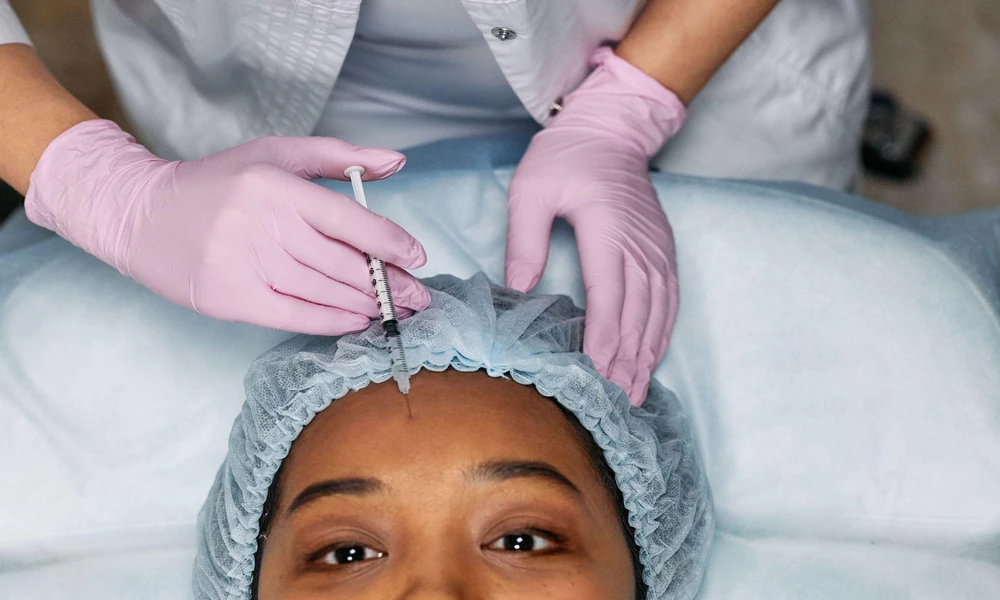
As the skin ages, it naturally loses collagen, elasticity, and volume, which can gradually change the appearance of the face. Dermal fillers have become a popular non-surgical cosmetic treatment for restoring volume, enhancing facial contours, and softening the appearance of certain lines and wrinkles. Depending on the type of filler and the area being treated, the results can range from subtle facial enhancement to more noticeable changes in volume and definition.
What Are Dermal Fillers?
Dermal fillers are injectable cosmetic treatments designed to add volume beneath the skin. Many modern fillers use substances such as hyaluronic acid, which is naturally found in the body and helps maintain skin hydration and volume.
Fillers can be used in different areas of the face, including the lips, cheeks, chin, jawline, and areas affected by age-related volume loss. The goal is generally to create balanced and natural-looking results rather than dramatically change someone’s appearance.
How Do Dermal Fillers Work?
During treatment, a qualified professional injects the selected filler into specific areas beneath the skin. The placement and amount used depend on the individual’s facial structure, concerns, and desired outcome.
Because every face is different, treatment should be personalised. A consultation before the procedure allows the provider to understand the patient’s expectations and determine which approach may be appropriate.
What Are the Benefits of Dermal Fillers?
One of the biggest advantages of facial fillers is their versatility. They can address several aesthetic concerns without surgery.
Restoring Lost Facial Volume
Ageing can lead to a gradual reduction in facial volume. Fillers can be used to restore volume in areas such as the cheeks, helping create a fuller and more balanced appearance.
Enhancing Facial Features
Fillers can also be used for subtle enhancement. For example, lip fillers may add volume and definition, while carefully placed filler around the chin or jawline can help improve facial proportions.
Softening the Appearance of Fine Lines
Certain fillers may help reduce the appearance of lines and folds associated with volume loss. The outcome depends on the treatment area, filler type, and individual skin characteristics.
Common Areas Treated With Fillers
The versatility of dermal filler treatment makes it suitable for several areas of the face.
Lips
Lip fillers can enhance lip volume, improve definition, and create greater symmetry. The amount of filler used can be adjusted according to the desired result.
Cheeks
Cheek fillers are often used to restore volume or improve facial contours. They can help create a more defined appearance while maintaining natural facial proportions.
Chin and Jawline
Filler can sometimes be used to enhance chin projection or improve the appearance of the jawline. Strategic placement can help create greater definition and balance between different facial features.
What Happens During a Dermal Filler Treatment?
A filler appointment usually begins with a consultation. The treatment area is assessed, and the provider discusses the desired outcome, suitable filler options, potential risks, and expected results.
Before injections, the skin is cleaned and the treatment area may be marked to guide precise placement. Depending on the product, a topical numbing agent or filler containing a local anaesthetic may be used to improve comfort.
The injections themselves generally take relatively little time, although the overall appointment can vary depending on the number of areas being treated.
Is There Downtime After Treatment?
One reason people choose non-surgical facial enhancement is that it generally does not require the recovery period associated with surgery. However, temporary swelling, redness, tenderness, or bruising can occur after injections.
These effects typically settle over time, but individual recovery varies. Following the aftercare instructions provided by the treating professional is important.
How Long Do Dermal Filler Results Last?
The longevity of filler results depends on several factors, including the type of filler, treatment area, amount used, metabolism, and individual response.
Some fillers may last several months, while others can provide results for a year or longer. Areas with frequent movement, such as the lips, may have different longevity compared with less mobile areas.
It is important to view filler treatment as a temporary cosmetic procedure rather than a permanent solution.
Are Dermal Fillers Safe?
When performed by a qualified and experienced medical professional using an appropriate product and technique, dermal filler treatment can be performed safely. However, like any injectable procedure, fillers carry potential risks.
Common temporary effects can include swelling, bruising, redness, tenderness, or discomfort. Rare but serious complications can also occur, which is why proper assessment and professional treatment are essential.
People considering fillers should disclose relevant medical information, allergies, medications, previous cosmetic procedures, and any ongoing skin concerns during their consultation.
Choosing the Right Provider
Choosing an experienced professional is one of the most important parts of the treatment process. A reputable aesthetic clinic such as RasaDerm can provide a consultation to understand individual concerns and discuss suitable treatment options.
Rather than choosing a treatment based solely on trends, consider the provider’s experience, treatment approach, product information, and ability to explain realistic outcomes.
How to Maintain Your Results
Taking care of your skin after treatment can help maintain a healthy-looking appearance. Follow the aftercare guidance provided by your practitioner and avoid unnecessary pressure or manipulation of the treated area immediately after treatment.
A consistent skincare routine, adequate hydration, balanced nutrition, and daily sun protection can also support overall skin health.
Keep Expectations Realistic
The most satisfying results are often those that complement your natural facial features. Natural-looking dermal fillers do not necessarily mean adding maximum volume. Instead, carefully planned treatment can focus on proportion, symmetry, and subtle enhancement.
A consultation is the best opportunity to discuss what you want to achieve and understand what is realistically possible.
Conclusion
Dermal fillers offer a versatile, non-surgical option for restoring facial volume, enhancing features, and improving the appearance of certain lines and contours. From lips and cheeks to the chin and jawline, different treatment approaches can be tailored to individual facial structures and aesthetic goals.
While fillers can provide noticeable results, choosing a qualified professional and having realistic expectations are equally important. Understanding the procedure, possible side effects, recovery, and expected longevity can help you make a more informed decision.
With personalised treatment and appropriate aftercare, dermal fillers can be used to achieve subtle, balanced, and natural-looking facial enhancement.
