

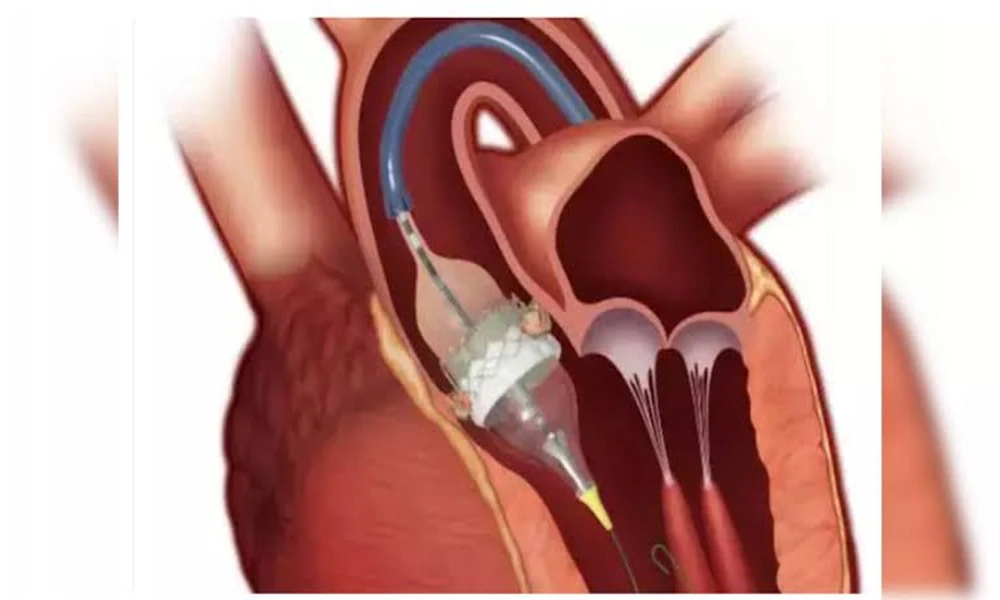
TAVI has changed the experience of aortic valve replacement for many patients because it can treat severe aortic stenosis without the large chest incision used in conventional surgery. The procedure may be less invasive, but recovery still deserves careful attention. The new valve needs monitoring, the vascular access site must heal and the heart may need time to adjust after months or years of working against a narrowed valve.
Recovery is not identical for everyone. Age, general health, kidney function, mobility, heart rhythm, the access route and whether complications occur all influence how quickly a patient returns to normal activity.
The First Hours After TAVI
After the procedure, patients are transferred to a monitored cardiac recovery area. Blood pressure, oxygen levels and heart rhythm are observed closely. The clinical team also checks the groin or other access site for bleeding and confirms that circulation to the leg remains normal.
An ECG is important because TAVI can occasionally affect the heart’s electrical conduction system. Some patients develop a new rhythm or conduction problem that requires additional observation, and a smaller group may need a permanent pacemaker.
Blood tests are usually performed to review haemoglobin, kidney function and other important measurements. Echocardiography may also be used to assess the position and function of the newly implanted valve.
Getting Out of Bed and Walking
Early mobilisation is an important part of recovery when the procedure has been uncomplicated. Once the team is satisfied that the access site is stable, patients are encouraged to sit up and gradually begin walking.
Movement reduces the effects of prolonged bed rest and helps clinicians understand whether breathlessness, dizziness or weakness is improving. It is normal to feel tired initially, particularly in older adults who had limited activity before treatment.
Patients undergoing TAVI in Mumbai should follow the individual advice of their treating team rather than comparing discharge timing with another patient. A short hospital stay is desirable only when it is clinically safe.
When Can a Patient Go Home?
Many patients who undergo uncomplicated transfemoral TAVI can leave hospital within a few days. Discharge depends on more than the calendar. The patient should be medically stable, able to move safely, have an acceptable heart rhythm and have no unresolved issue involving bleeding, kidney function, neurological symptoms or valve performance.
Family support is useful during the first few days at home, especially for elderly patients. Clear written instructions regarding medicines, activity, the access-site wound and follow-up appointments should be available before discharge.
The First Week at Home
The first week is usually about gentle recovery. Walking short distances is encouraged, but heavy lifting, strenuous exercise and activities that place pressure on the healing access site should be avoided until the cardiologist approves them.
Patients may notice bruising around the groin puncture site. Mild bruising can occur, but rapidly increasing swelling, persistent bleeding, severe pain or a cold or numb leg requires prompt medical attention.
A structured guide to post-procedure care after TAVI can be useful for understanding what is expected and which symptoms should trigger a call to the cardiac team.
Medications After TAVI
Medicines after TAVI are tailored to the patient. The antithrombotic plan depends on factors such as atrial fibrillation, coronary stents, bleeding risk and other medical conditions. Patients should take the prescribed medicines exactly as directed and should not stop antiplatelet or anticoagulant treatment without speaking to the treating cardiologist.
Other medicines for blood pressure, heart failure, cholesterol or diabetes may also be reviewed after the procedure.
Returning to Daily Activities
Many patients gradually resume routine activities over the following weeks. Walking can usually be increased little by little according to symptoms and medical advice. Some patients benefit from cardiac rehabilitation, particularly if they were physically deconditioned before valve treatment.
Driving, travel, work and more strenuous exercise should be discussed with the treating team because recommendations vary. The goal is not to rush back to a previous routine but to rebuild activity safely while the cardiovascular system adapts.
Follow-Up After TAVI
Follow-up is essential even when the patient feels significantly better. Clinical review helps assess symptoms, heart rhythm, blood pressure and medication needs. Echocardiography is used to evaluate valve function and the heart’s response to treatment.
Long-term follow-up also gives the team an opportunity to monitor valve performance and address other cardiovascular risks. Patients who completed a detailed pre-operative workup for TAV I will often find that many of the same measurements become useful reference points during follow-up.
Warning Signs That Need Attention
Patients should seek urgent advice for new or worsening breathlessness, chest pain, fainting, marked dizziness, sudden weakness or neurological symptoms. Persistent fever, increasing redness or discharge from the access site, rapidly worsening leg swelling or significant bleeding should also be reported.
These symptoms do not always mean that the new valve has a problem, but they should not be ignored. Early assessment is safer than waiting for a serious symptom to resolve on its own.
Emotional Recovery Matters Too
Some patients expect to feel completely normal immediately because TAVI is less invasive than open surgery. Improvement can be rapid, but recovery is still a process. Sleep may be disturbed, energy levels may fluctuate and confidence in physical activity may take time to return.
Family members can help by encouraging gradual independence rather than either pushing too hard or becoming overly protective.
The Bottom Line
TAVI recovery is often shorter than recovery after open-heart valve surgery, but good outcomes still depend on careful post-procedure care. Early mobilisation, correct medication use, access-site care, follow-up imaging and attention to warning signs all matter.
The aim of TAVI recovery is not simply to leave hospital quickly. It is to help the patient regain activity safely, confirm that the new valve is functioning well and establish a long-term plan for heart health. Patients who understand what to expect are better prepared to participate actively in that process.
