

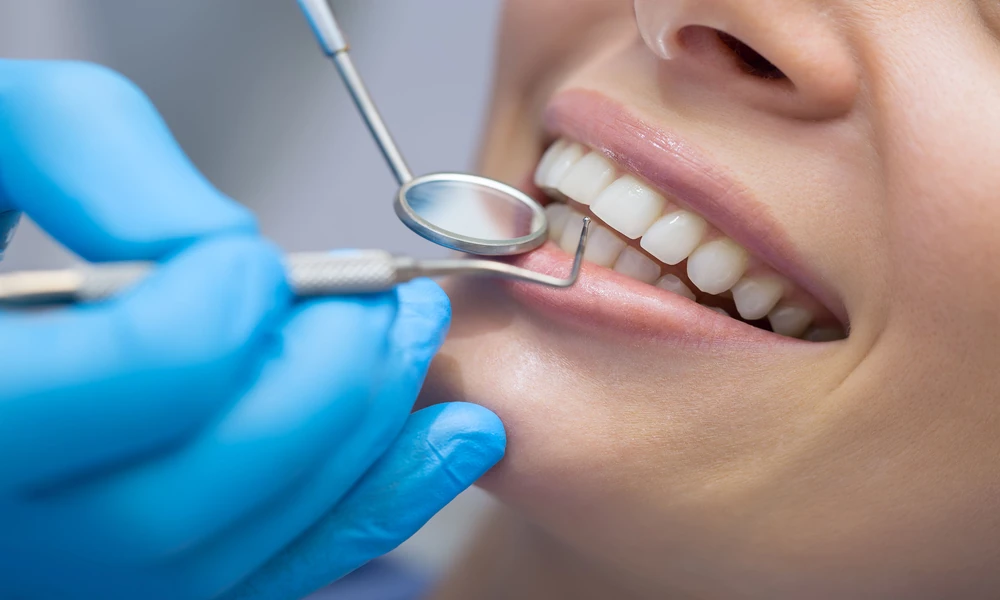
You may have noticed that oral care gets less simple with age. A dry mouth starts after a new prescription, brushing feels harder if your hands ache, or a small sore spot under a denture turns into something you cannot ignore. None of that is minor when eating, speaking, and sleeping all depend on a healthy mouth. For many older adults, the goal is not a perfect smile. It is comfort, function, and staying ahead of problems before they become expensive or painful, which is why seeing a family-focused dentist in Enfield can make a meaningful difference.
3 Ways Family Dentistry Supports Healthy Smiles For Seniors comes down to prevention, early treatment, and care that fits the rest of your health. A family dentist often sees the full picture. That includes natural teeth, gums, dentures, medications, chronic conditions, and the day to day habits that shape oral health over time. That kind of steady care can make a real difference.
Family dentistry helps seniors catch small oral health problems before they grow
A lot can change in the mouth without much warning. Gum disease may start with mild bleeding that feels easy to dismiss. Tooth decay can develop around old fillings. Dry mouth can raise the risk of cavities fast because saliva helps protect teeth. The National Institute on Aging explains that aging itself is not the cause of most dental problems, but health conditions, medicines, and daily care habits often are. Their guide on taking care of your teeth and mouth gives a clear picture of what older adults should watch for.
That is where regular visits matter. A family dentist looks for early signs of decay, infection, loose restorations, gum recession, mouth sores, and changes that may affect chewing or speech. If you are living on a fixed income, delaying care can feel practical in the moment. It often leads to bigger treatment later. A small cavity is one appointment. A cracked tooth, infection, or extraction is another story entirely.
This is one of the clearest benefits of senior dental care from a family dentist. The relationship is ongoing, which means changes are easier to spot. The dentist knows what your mouth looked like six months ago, how your bite has shifted, and whether that irritated area is new or part of a pattern.
Family dentists connect oral health with the rest of a senior’s health
Your mouth does not operate apart from the rest of your body. Diabetes can make gum disease harder to control, and gum inflammation can complicate blood sugar management. Arthritis can make flossing difficult. Heart medications, blood pressure drugs, and antihistamines may reduce saliva and leave your mouth feeling dry and sticky. That discomfort is not just annoying. It can lead to more decay, bad breath, trouble swallowing, and denture irritation.
The CDC shares practical oral health tips for adults that reinforce this link between home care, regular dental visits, and overall health. For seniors, that connection tends to become more obvious with time. You may be doing your best and still running into issues because the problem is not brushing alone. It is the effect of medication, illness, or reduced dexterity.
A family dentist can adapt care in ways that make daily routines easier. That may mean suggesting fluoride treatments, prescribing products for dry mouth, adjusting denture fit, or recommending tools with larger handles and easier grips. If you help an aging parent, this support matters even more. You are often trying to solve several problems at once, and oral care can fall behind when medical appointments pile up.
Family dentistry supports comfort, nutrition, and confidence in daily life
Oral health shapes more than a smile. It affects whether food feels enjoyable or like work. If chewing hurts, many seniors start avoiding harder foods such as apples, carrots, or meats. That can limit nutrition over time. Sore gums, loose dentures, or missing teeth also change how a person speaks and socializes. People often pull back quietly. They skip dinners, smile less, and live with discomfort longer than they should.
Family dentists help protect function as much as appearance. A denture adjustment, treatment for gum inflammation, or replacing a failing filling can make meals easier and reduce pain. MedlinePlus offers useful guidance on care for your dentures, including cleaning habits that lower irritation and infection risk. Those basic steps are easy to overlook, especially when routines change or memory becomes an issue.
This is why many families value oral health support for older adults through one trusted dental office. The care is practical. It helps seniors eat more comfortably, speak clearly, and feel less self conscious in everyday moments.
Daily home care and regular family dentistry visits work best together
| Approach | What It Helps With | Limits to Know |
|---|---|---|
| Brushing, flossing, denture cleaning at home | Removes plaque, freshens breath, lowers risk of cavities and gum disease | May miss hidden decay, gum pockets, poor denture fit, or oral tissue changes |
| Store bought dry mouth rinses or pain relief gels | Can ease symptoms for a short time | Does not address the cause, such as medication effects, infection, or sharp denture edges |
| Regular family dentistry checkups | Finds early problems, monitors changes, provides cleanings and tailored treatment | Works best when paired with steady home care between visits |
Home care does a lot, but it cannot replace trained eyes, dental imaging when needed, or a professional cleaning that reaches areas you miss. If your gums bleed often, your mouth feels dry all day, or a denture suddenly rubs, waiting usually adds to the problem.
Simple steps seniors and caregivers can take right away
Schedule routine dental visits and mention every medication. Bring an updated list of prescriptions and over the counter products. Dry mouth, bleeding risk, and healing concerns often connect to medicine, and that changes the best treatment plan.
Watch for small signs that point to bigger issues. Bleeding gums, mouth sores, loose teeth, bad breath that does not go away, pain with chewing, and dentures that slip are all reasons to call. These signs rarely improve by being ignored.
Make home care easier, not harder. Use a soft bristle brush, fluoride toothpaste, floss aids if your hands are stiff, and proper denture cleaning methods. If brushing is tiring or painful, ask the dentist for tools that reduce strain and make the routine realistic.
Getting older does not mean you have to expect tooth pain, poor denture fit, or trouble eating. Steady dental care can protect comfort and independence in ways that show up every single day. If you or someone you love has been putting off a visit, now is a good time to schedule care with a family dentist and get ahead of problems while they are still manageable.
