

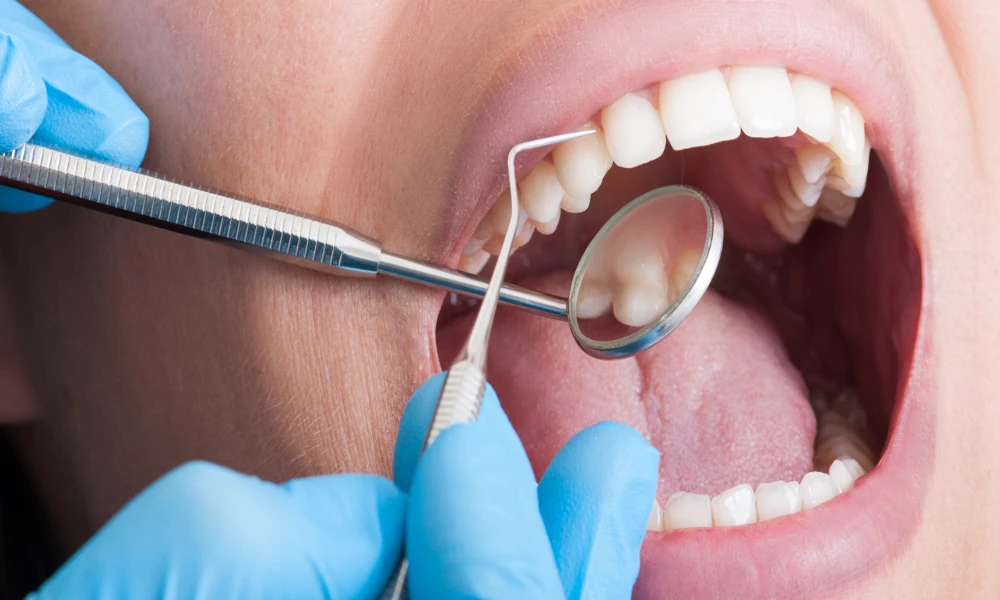
You book your child’s dental visit, then see words like exam, cleaning, prophylaxis, fluoride, X rays, and recall appointment. It can feel like one visit should cover everything, yet the office may explain that an exam and a cleaning are not the same service. That confusion is common, especially when you are trying to keep up with school, snacks, brushing battles, and a child who may already feel nervous about the dentist. A pediatric dentist in San Bernardino County can help explain these services clearly so you know what to expect.
The short answer is simple. A pediatric dental exam checks your child’s oral health, growth, and risk for problems. A cleaning removes plaque and buildup from the teeth. Both matter, but they do different jobs. Knowing the difference helps you ask better questions, understand the plan, and avoid surprises.
A pediatric dental exam focuses on diagnosis, growth, and prevention
A pediatric dental exam is the part of the visit where the dentist looks closely at your child’s teeth, gums, bite, jaw development, and overall oral health. The goal is not just to spot cavities. The dentist is also checking how the mouth is growing, whether there are early signs of crowding, whether the gums look healthy, and whether habits like thumb sucking or mouth breathing may be affecting development.
For babies and younger children, the exam may include guidance for teething, feeding, fluoride use, and injury prevention. For school age kids, it often includes cavity checks, bite evaluation, and advice about brushing, flossing, and sports mouthguards. For teens, the focus may expand to wisdom teeth, orthodontic concerns, and diet habits that raise cavity risk.
The American Academy of Pediatric Dentistry recommends regular preventive visits and ongoing oral health guidance as children grow. You can review that guidance in the AAPD’s recommendations on exam timing and preventive dental services.
This is why an exam can still be needed even if your child’s teeth look clean to you. Cavities can start between teeth. Bite changes can happen slowly. Gum inflammation can be mild enough to miss at home. A child may also have pain but not know how to describe it clearly.
A dental cleaning removes plaque, tartar, and surface stains
A cleaning is the hands on preventive service that removes soft plaque, hardened tartar, and some surface stains from the teeth. In pediatric dentistry, this is often called prophylaxis. The point is to lower the bacteria and buildup that can lead to cavities, gum irritation, and bad breath.
If your child brushes well, you may wonder whether a cleaning is still necessary. Usually, yes. Kids miss spots. They brush fast. They chew sticky snacks. Molars have deep grooves that trap food. Tartar also cannot be brushed away at home once it hardens.
The AAPD explains the role of professional cleaning in children’s oral care in its policy on dental prophylaxis in pediatric dentistry. A cleaning supports prevention, but it does not replace the dentist’s evaluation. That is the key distinction.
If your child is overdue for visits, has braces, or has a history of cavities, the difference becomes even more practical. A clean tooth surface is easier to inspect, but removing buildup alone does not tell you whether decay is starting under the surface or whether the bite is changing in a way that needs attention.
The difference between a kids dental exam and cleaning affects treatment and timing
The difference between a kids dental exam and cleaning matters because one service can happen without the other depending on your child’s needs. If your child comes in with tooth pain, swelling, or a chipped tooth, the exam is the first priority. If the gums are sore or there is a lot of buildup, the office may adjust the cleaning plan. Some children need X rays during an exam. Some do not at every visit.
You might also hear that your child is “due for an exam” even after a recent cleaning, or vice versa. That usually reflects insurance timing rules or clinical need, not a mistake. Insurance plans often separate diagnostic services from preventive cleanings. Parents get frustrated here for good reason. You are trying to do the right thing, and the language can sound like double billing when it is really two distinct services.
The Centers for Disease Control and Prevention also stresses routine oral care habits between visits, including brushing twice a day with fluoride toothpaste and limiting sugary drinks and snacks. Their oral health tips for children are a good baseline for home care.
Pediatric dentist visits often include both services, but they are not interchangeable
Most routine checkups include both an exam and a cleaning, which is why the difference can be easy to miss. Still, they are not interchangeable. One identifies problems and tracks development. The other reduces buildup and helps prevent disease. Together, they give your child a stronger chance of avoiding painful, expensive treatment later.
| Service | Main Purpose | What It Often Includes | What It Does Not Do |
|---|---|---|---|
| Pediatric dental exam | Evaluate oral health and development | Cavity check, gum review, bite assessment, growth monitoring, possible X rays, risk discussion | Remove tartar and polish teeth |
| Cleaning | Remove plaque, tartar, and some stains | Scaling, polishing, flossing, hygiene support | Diagnose all dental issues or monitor jaw and bite growth |
| Child dental cleaning vs exam | Two separate preventive services | Often done in the same visit for convenience and full care | Serve as substitutes for each other |
Three steps help you get more from every pediatric dentist visit
1. Ask what is planned before the appointment starts. A quick question can clear up a lot. Ask whether your child is scheduled for an exam, a cleaning, X rays, fluoride, or all of the above. That helps with timing, cost, and expectations.
2. Share changes, even if they seem small. Mention mouth breathing, thumb sucking, tooth sensitivity, bleeding gums, clenching, or a recent fall. Small details often explain bigger patterns the dentist sees during the exam.
3. Treat home care as part of the treatment plan. The appointment is one piece of prevention. Daily brushing with fluoride toothpaste, flossing when teeth touch, and cutting back on frequent sugary snacks do more than many parents realize. A pediatric dentist can adjust those habits to your child’s age and risk level.
You do not need to memorize dental terms to stay on top of your child’s care. You just need to know that the exam and the cleaning have different roles, and both protect your child in different ways. When you understand what each visit includes, it gets easier to plan ahead, ask clear questions, and feel confident that your child is getting the right care at the right time.
If your child is due for a visit, schedule an appointment with a pediatric dentist and ask whether both the exam and cleaning are included.
