

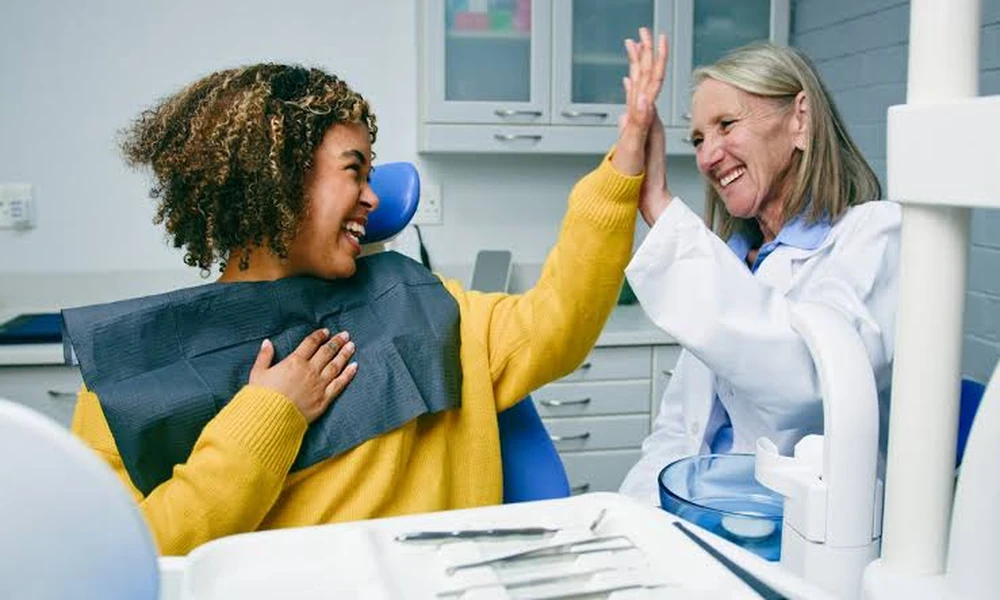
A dental plan can look manageable on paper and still ask too much of the patient’s hands. Holding a small brush, reaching a particular space or removing a close-fitting appliance may be the difficult part. For someone with limited hand dexterity, those tasks belong in the cosmetic dentistry consultation before a treatment is chosen.
The starting point is the individual’s experience. Some people have a stable limitation; others manage well on some days and struggle on others. A familiar routine may already include adaptations that work. A useful London practice discussion respects that knowledge and considers how the proposed dental change would affect it.
Planning Cosmetic Dentistry in London Around Limited Hand Dexterity
Describe the task rather than relying only on a diagnosis. You might be able to hold a toothbrush but find a small interdental handle difficult, or manage cleaning while struggling to remove an appliance. These differences can affect what advice and support are useful. The dental team needs to understand the actual difficulty.
The Oral Health Foundation describes options such as adapted grips and powered toothbrushes for people who find ordinary tools difficult to use. The appropriate choice still depends on individual needs and instruction. An item that feels easier to hold is useful only if the patient can use it effectively in the areas that need cleaning.
Support can also involve another person, where the patient wants that help. Limited dexterity does not imply difficulty understanding or making treatment decisions. The conversation should remain directed to the patient, with any assistance agreed. If needs exceed a practice’s facilities or expertise, the team may need to discuss another service or referral route.
Comparing Services Without Assuming Specialist Provision
The practices below have verified hygiene, restorative, appliance or assessment services relevant to this discussion. The order follows the practical tasks: considering feasibility, planning hygiene, coordinating treatment and managing removable appliances. It covers London and Greater London.
Official service descriptions support inclusion, but they do not establish dedicated hand-dexterity clinics, particular equipment or accessible premises. Those details must be confirmed for the individual appointment. The comparison identifies useful conversations to have with each provider rather than ranking their ability to treat every form of disability.
Top 7 London Practices to Discuss Dexterity and Cosmetic Dental Care
1. MaryleboneSmileClinic
Patients considering cosmetic dentistry in London can enquire here about MaryleboneSmileClinic on Harley Street, where services include dental health checks and hygiene. That combination provides a starting point for discussing whether the proposed work and its continuing care are practical for the individual.
Explain the difficult task before the plan becomes centred on appearance. If handling a removable item is the concern, say whether the problem is grip, reaching the right place, applying pressure or repeating the action reliably. A description of what happens at home is more informative than simply saying that your hands are weak.
Ask what can be assessed or demonstrated at the appointment and whether additional time or support can be arranged. These arrangements need confirmation; they should not be assumed from a general treatment listing. The intended outcome is a plan in which both the cosmetic goal and the daily demands have been considered before you commit.
2. Dawood & Tanner
Being able to hold a tool is only the beginning of a cleaning task. Dawood & Tanner’s Upper Wimpole Street team describes personalised hygiene routines and support around restorative and implant treatment, offering a setting in which to discuss the complete action.
Bring the tools you currently use, or explain them clearly, and discuss which actions are successful and which are unreliable. A hygienist can assess the mouth and advise on an appropriate technique. The useful appointment is not simply a demonstration performed by someone with different hand control; the patient needs to know whether they can reproduce the required task.
Where a new restoration is proposed, ask how its maintenance would fit the existing routine. A plan may need to account for the time, fatigue or assistance involved. Those are practical treatment considerations rather than reasons to assume that the patient cannot manage cosmetic dentistry at all.
3. Harley Street Dental Clinic
Harley Street Dental Clinic describes coordinated care across cosmetic, restorative, orthodontic and hygiene services. That range is relevant when the patient is comparing treatments with different daily demands rather than trying to adapt to a decision already made.
Ask the team to explain what each suitable option would require from your hands. A fixed restoration and a removable appliance involve different tasks, but neither should be labelled easier without considering the individual. Cleaning, insertion, removal and any continuing protective appliance may all need discussion, depending on the proposed plan.
The advantage of a coordinated conversation is that maintenance can inform the original recommendation. Confirm who will assess the practical difficulty and how that assessment will reach the clinician planning treatment. The patient should not receive a cosmetic proposal first and discover its handling requirements only when the work is ready.
4. Pearl Dental Clinic
A removable item needs to be manageable at home. Pearl Dental Clinic in Kingston describes workflows for retainers, dentures, nightguards and whitening trays, so the patient can raise handling requirements in relation to the particular appliance proposed.
Producing an appliance and being able to use it are different questions. Ask how the team will establish that you can insert, remove and clean the proposed item. If a technique is difficult, it should be discussed with the clinician rather than solved by bending or modifying the appliance yourself. The team can explain which adjustments or alternatives are appropriate.
Think beyond the first successful attempt. A method may work once in the surgery but become unreliable when the hands are tired or sore. Describe that variation and ask how it can be considered in the plan. The aim is a routine the patient can sustain, with a clear route back for help if the practical experience changes.
5. London Smile Clinic
London Smile Clinic on Clipstone Street provides professional hygiene care and oral health checks alongside its cosmetic services. For someone whose main difficulty is cleaning around particular teeth, the hygiene appointment offers a relevant place to examine what the current routine achieves.
It can be useful to identify one troublesome area rather than asking for a completely new routine at once. Explain how you reach it, which tool you use and where the movement becomes difficult. The team can then advise on a method suited to the mouth and the patient’s abilities.
If cosmetic work is planned, return to the same question with the proposed change in mind. What would be different about cleaning that area, and what instruction would be provided? Professional cleaning and daily care have related but distinct roles. The continuing plan should explain both, rather than assuming that more frequent appointments resolve every difficulty between visits.
6. London Centre for Implant and Aesthetic Dentistry
A plan that works only on the patient’s best day may be difficult to sustain. Detailed assessment and individually recommended continuing hygiene care are described by the London Centre for Implant and Aesthetic Dentistry on Wimpole Street, making that variability worth discussing before treatment.
Discuss the routine as it actually happens, including any help from a partner or carer that you choose to receive. The clinician needs an accurate picture to advise; a description based only on a particularly good day may conceal the difficulty that matters most. Equally, existing adaptations that work should be recognised rather than automatically replaced.
Ask how daily tasks, professional support and review will fit together. If the proposed plan depends on a level of handling that is currently unreliable, that should prompt a discussion before treatment proceeds. The useful outcome is an explicit arrangement that respects the patient’s goals while accounting for the practical requirements of maintaining the work.
7. Balham Dental Studio
Balham Dental Studio lists hygiene, cosmetic and restorative services, including removable dental options. For a patient in south London, the local combination may be useful when treatment choice and the feasibility of follow-up need to be considered together.
Start with what matters most: the appearance you would like to address and the task you do not want made harder. Ask the clinician to explain the suitable options in terms of those priorities. A treatment that appears convenient at the appointment may involve a more demanding routine at home, while another may require different forms of support.
Confirm practical appointment arrangements separately, including any assistance or extra time you need. A service list does not establish those details. The decision should leave you with a clear account of the proposed treatment, its maintenance demands and the person to contact if your ability to manage changes later.
Make the Daily Tasks Part of the Appointment
Before attending, identify two or three actions that are difficult and one or two methods that already work. This gives the team a useful starting point without requiring a long account of every aspect of daily life. If hand function varies, explain the range rather than presenting only the best or worst day.
Ask for advice that you can try and discuss. The patient should be able to say that a technique is uncomfortable, too fiddly or difficult to repeat without feeling that they have failed a test. That feedback helps the team assess whether another method or a different treatment arrangement is needed.
If another person will help with care, decide how they should be involved and what instruction they need. The plan should still reflect the patient’s own preferences and decisions. Where the available support is insufficient, ask the clinician to explain the next appropriate assessment or referral step.
Cosmetic treatment is easier to evaluate when its everyday demands are visible from the start. The useful question is not simply whether a procedure can be performed, but whether the resulting care plan is realistic for the person who will live with it.
Source note: Official clinic hygiene, assessment and appliance-service information informed the selection. Oral Health Foundation guidance informed the discussion of adapted tools and additional support. Specific facilities, equipment and individual suitability require confirmation with the practice.
