

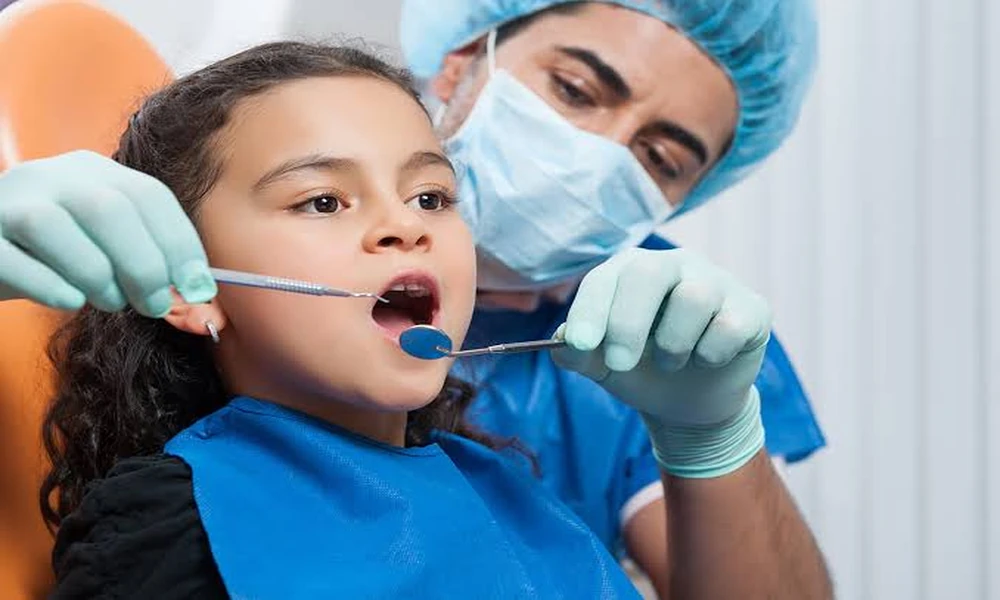
You finally got used to your veneer, and now it needs to be replaced. That can bring up a mix of stress and confusion fast. You may be wondering why your dentist is suddenly focused on the enamel left on the tooth instead of just swapping the veneer out and moving on. The short answer is simple. A veneer bonds best to enamel, and when too much enamel is gone, the next restoration may need a different plan. An Experienced dental team in Knoxville can help determine the best option.
That detail matters more than most people realize. Veneers are thin, but the tooth under them has limits. If the remaining enamel is strong and healthy, a replacement veneer often has a better bond, a more natural look, and a lower risk of future failure. If the enamel is too thin, cracked, or softened by decay, your dentist may need to adjust the treatment to protect the tooth instead of forcing the same cosmetic solution again.
Remaining enamel determines how securely a replacement veneer can bond
When a dentist removes an old veneer, they are not just checking the outer appearance of the tooth. They are looking at how much enamel is still there, whether the surface is intact, and whether the bond for a new veneer will be reliable. Enamel is the hard outer shell of the tooth, and it is the best surface for adhesive dentistry. Research and clinical guidance continue to support that strong enamel plays a central role in long term tooth strength and bonding success, which is why dentists pay such close attention to it. The National Institute of Dental and Craniofacial Research explains what really keeps teeth strong in ways that directly relate to restorative planning.
If a veneer is replaced without checking enamel, problems can stack up. The new veneer may not bond as well. Edges may leak. Sensitivity may increase. The tooth may even become more likely to crack under pressure. You might think the issue is cosmetic, but the real concern is structural. A beautiful veneer on a weak foundation does not stay beautiful for long.
This is one reason checking enamel before veneer replacement is part of careful treatment, not overcaution. Your dentist is trying to find out whether the tooth still qualifies for another veneer or whether a crown, bonding repair, or another option would give you a safer result.
Decay, erosion, and cracks can change the plan for veneer replacement
Old veneers do not fail for one reason. Sometimes the veneer chips. Sometimes the bond weakens. Sometimes the tooth changes under it. A small area of decay near the edge can make a replacement veneer a poor choice until the decay is treated. The decay process often starts quietly, and by the time a veneer is removed, there may be more going on than you expected. The NIDCR outlines the tooth decay process in a way that helps explain why dentists inspect the underlying tooth so closely.
Enamel can also wear down from acid exposure, grinding, or years of brushing with too much force. If you have ever had that sharp zing from cold water, you already know the tooth may be more exposed than it used to be. A replacement veneer placed over worn or damaged enamel may look fine at first and still fail sooner than expected.
Cracks add another layer. A tooth with hidden crack lines may hold a veneer today and split later under normal biting force. Dentists check for this because preserving the tooth matters more than repeating the same cosmetic step.
There is also the issue of remineralization and prevention. Enamel cannot grow back once it is lost, but early weak spots can sometimes be strengthened. Fluoride remains one of the most established tools for helping protect enamel and slow damage. The NIDCR explains how fluoride protects teeth, and that prevention work often supports the long term success of veneers and other cosmetic dental care.
General and cosmetic dentist evaluations protect both appearance and tooth structure
A general and cosmetic dentist is balancing two goals at once. You want the tooth to look right, and the dentist wants the tooth to stay healthy enough to support that result. Those goals match when enough enamel remains. They start to pull apart when the tooth has already been reduced several times, repaired repeatedly, or weakened by decay.
This is where many people feel frustrated. You came in expecting a replacement veneer, and now you are hearing about enamel thickness, bonding surfaces, bite pressure, and backup treatment options. It can feel like the plan changed on you. In reality, the exam is what keeps a simple cosmetic fix from turning into a bigger dental problem later.
Published dental literature on veneers and adhesive techniques continues to show why substrate quality matters. If you want a research based look at the topic, this review on veneers and enamel bonding considerations helps explain why enamel preservation is central to treatment success.
Practical differences between strong enamel and limited enamel before a new veneer
| Condition of Remaining Tooth | What It Means for Veneer Replacement | Likely Concern |
|---|---|---|
| Healthy enamel with no decay | Usually supports strong bonding for a new veneer | Lower risk of early bond failure |
| Thin enamel from prior prep or wear | Bond may be less predictable | Higher chance of sensitivity or debonding |
| Decay near the veneer margin | Decay must be treated before cosmetic replacement | Leakage, recurrent decay, restoration failure |
| Cracks or weakened tooth structure | A veneer may no longer be the safest option | Fracture under biting pressure |
| Large areas of exposed dentin | Another restoration may fit better than a veneer | Reduced bond strength and long term instability |
Why dentists assess enamel before replacing veneers in real treatment decisions
Ask what surface the new veneer will bond to. That question gets to the heart of the decision. If the answer is mostly healthy enamel, a replacement veneer may make sense. If the answer includes exposed dentin, cracks, or decay, you need to understand how that changes the risk.
Get clear on whether the old veneer failed or the tooth changed. Those are not the same thing. A chipped veneer on a healthy tooth is one situation. A failed veneer on a tooth that has lost more enamel over time is another. The treatment should match the real cause.
Discuss alternatives before committing. If your dentist mentions bonding, a crown, or preventive treatment first, that is not bad news. It often means they are trying to protect the tooth for the long term instead of repeating a cosmetic treatment that no longer fits the biology of the tooth.
Why dentists check tooth enamel before replacing a veneer comes down to one thing. The tooth under the veneer decides what is safe, durable, and worth doing. When your dentist pauses to evaluate that tooth carefully, they are protecting your smile and the structure that supports it. If you are planning veneer replacement, ask for a clear explanation of how much enamel remains and what that means for your options.
