

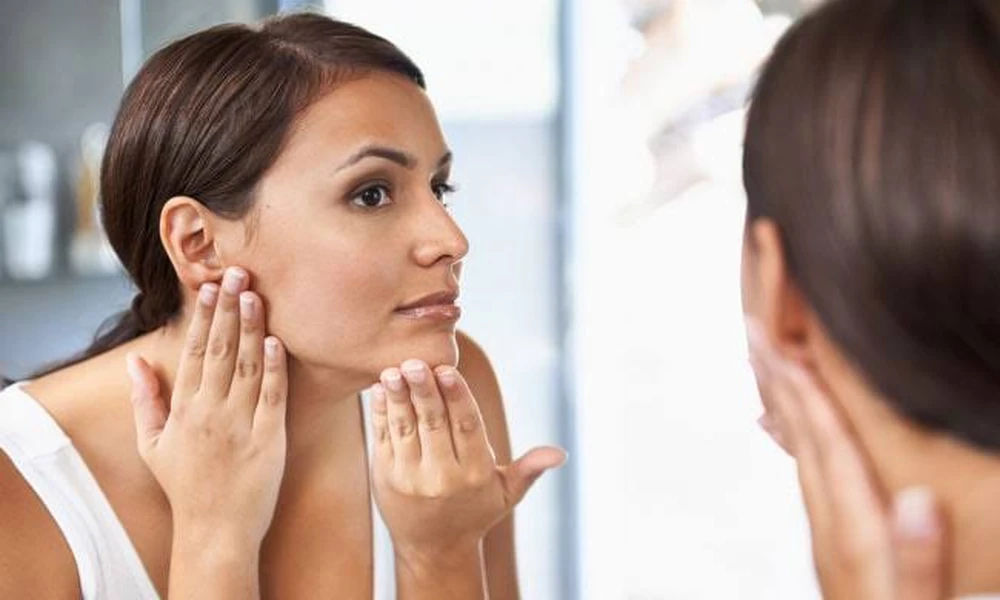
Healthy skin is more than an aspect of physical appearance. This is a living protective organ that is part of the body’s boundary with the external environment. It aids in the regulation of water loss, protects against environmental irritation and microorganisms, stimulates immunity and helps maintain body temperature. It is, therefore, vital to keep the skin healthy for aesthetic and health reasons.
Maintaining good skin health involves more than choosing products that improve appearance. Healthy skin depends on a strong protective barrier, adequate moisture, and protection from environmental stressors such as excessive UV exposure. Simple habits, including gentle cleansing, regular moisturizing, and paying attention to persistent changes, can help support the skin’s normal functions and contribute to healthier-looking skin over time.
The skin as a protective barrier.
The barrier function is one of the most important roles of healthy skin. This outer layer (stratum corneum) helps to reduce excessive water loss and infiltration of chemicals, allergens or potentially harmful microorganisms. This protective system is based on the cooperation of skin cells, proteins, lipids and natural moisturising factors. The barrier’s ability to hold water is reduced and the skin becomes drier, rough, itchy, irritated or unusually sensitive. So, keeping the barrier intact is an essential component of skin health over time.
Hydration is the key to healthy skin.
Sufficient water intake is necessary for the flexibility and normal function of the outer layer of skin. There are natural moisturising factors in the stratum corneum to prevent moisture loss. If water levels are greatly reduced, the skin will become dry, tough, cracked, and flaky. Use a moisturiser, wash gently and stay away from extreme environmental conditions to support the skin’s normal moisture content.
Skin and Immune Protection
The skin also plays a role in the body’s immune system. It has both physical, chemical, and immune factors that all work together to deter harmful organisms from entering the body. The surface of the skin is also naturally acidic and rich in antimicrobial properties, which can help keep the surface of the skin balanced.
Healthy skin and appearance.
Healthy-looking skin is often considered to be smooth, elastic, even, and well-hydrated. Healthy skin does not necessarily equate to blemish-free skin, however. Even if the skin is healthy, there may be occasional occurrences of acne, pigmentation, dryness or changes.
This will help to support long-term skin health.
The key to having healthy skin is simple and regular care, not a complicated regimen. Steps to support the protective role of skin include avoiding excessive exposure to the sun’s UV rays, keeping skin hydrated, not scrubbing or overexfoliating, and paying attention to any persistent changes.
If the redness, itching, inflammation, unusual pigmentation or persistent acne or wounds that do not heal persist for an extended period, professional dermatological evaluation can help to identify the cause. However, clean and healthy skin should be considered not only an esthetic objective, but also an integral part of the body’s protective system.
