

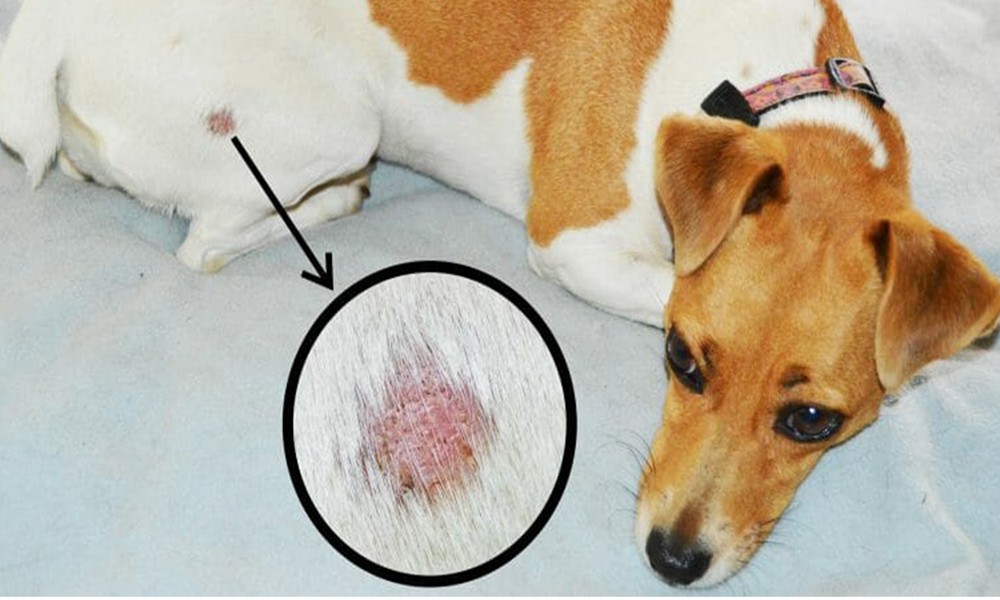
If you’ve ever noticed your dog scratching non-stop, licking their paws, or developing red patches on their skin, you’re not alone. Skin issues are among the most common health concerns in dogs, and they often show up in subtle ways before becoming more serious. While many pet owners initially assume it’s just a minor irritation, these problems can sometimes signal deeper issues like allergies, infections, or environmental sensitivities. Interestingly, alongside conventional treatments, supportive approaches like red light therapy for dogs are occasionally explored in discussions around skin recovery and comfort.
Key Takeaways
- Skin problems in dogs often stem from allergies, parasites, infections, or poor grooming habits
- Early signs include itching, redness, hair loss, and unusual odors
- Proper diagnosis is essential before starting treatment
- Nutrition, hygiene, and environment play a major role in skin health
- Consistent care and timely intervention prevent recurring issues
Allergic Dermatitis
Allergies are one of the most common reasons dogs develop skin irritation. Triggers can include food ingredients, pollen, dust, or even certain grooming products. Dogs dealing with allergies often scratch excessively, develop rashes, or show recurring ear issues. Managing this condition usually starts with identifying the trigger, which may involve dietary changes or minimizing environmental exposure. Gentle, medicated baths can help calm the skin, while veterinarians may suggest antihistamines or targeted treatments in more persistent cases.
Fleas and Parasites
Parasites like fleas, ticks, and mites are another major cause of skin discomfort. Even a single flea bite can trigger intense itching in sensitive dogs. Consistent use of vet-approved preventive products is essential. Cleaning your dog’s bedding and maintaining a hygienic living space also plays a big role in keeping infestations under control. If parasites are already present, treatment should address both the pet and the surrounding environment to prevent reinfestation.
Bacterial and Fungal Infections
When a dog’s skin barrier is weakened, bacteria and fungi can take advantage. Yeast infections are especially common in warm, moist areas such as paws, skin folds, and ears. Signs may include a strong odor, greasy patches, or discoloration. Treatment depends on severity and can include medicated shampoos, topical solutions, or oral medications. Keeping affected areas clean and dry is one of the most effective ways to prevent recurrence.
Dry and Flaky Skin
Dry skin in dogs can result from weather changes, nutritional gaps, or over-bathing. This often leads to flaking, itchiness, and a dull coat. Supporting skin health through a balanced diet rich in omega fatty acids can make a noticeable difference. Reducing the frequency of baths and using moisturizing grooming products can also help restore the skin’s natural balance. In drier climates, adding moisture to the indoor environment may further improve comfort.
Hot Spots (Acute Moist Dermatitis)
Hot spots can appear suddenly and worsen quickly. These inflamed areas are usually caused by constant licking or scratching and may become painful if left untreated. Managing hot spots involves trimming the surrounding fur, gently cleaning the area, and applying prescribed treatments. Preventing further irritation sometimes with the help of an e-collar is essential for healing.
Light-Based Support Approaches
In discussions about non-invasive wellness options, red light therapy for dogs is sometimes mentioned as a supportive method for maintaining skin comfort. Within this context, certain LED-based systems, including those associated with Celluma-style light therapy, are referenced when exploring how controlled wavelengths might interact with natural skin recovery processes. These approaches are generally considered complementary and are not substitutes for professional veterinary care.
Prevention Tips for Healthy Skin
Preventing skin problems is often easier than treating them later. Regular grooming helps identify early warning signs, while a clean environment reduces exposure to irritants and parasites. A nutritious diet supports skin resilience, and routine veterinary visits ensure timely detection of underlying issues. Paying attention to behavioral changes-like excessive scratching or licking-can help you act before minor concerns escalate.
Final Thoughts
Skin problems in dogs can range from mild irritation to persistent conditions, but most are manageable with the right care. Early detection, proper hygiene, and understanding the root cause are key to long-term relief. With consistent attention and the right approach, you can help your dog stay comfortable, healthy, and free from recurring skin issues.
