

The liver in the human body is responsible for metabolism, natural detoxification, and other body functions to keep health in order. It’s the second-largest organ in the body that performs around 500 tasks. The liver cleanses the body of all toxins. It creates proteins, adjusts cholesterol levels, and produces bile that helps the body absorb fat, store sugar, and regulate hormone levels. Liver health may not be one’s top health priority, but the moment this specific organ malfunctions, the whole system gets disrupted.
Weight loss and lifestyle changes are the two effective ways to manage and treat MASLD or metabolic dysfunction-associated steatotic liver disease, also known as nonalcoholic fatty liver disease (NAFLD). The illness shows up when fat builds up in the liver due to conditions such as obesity, type 2 diabetes, high blood pressure, and high cholesterol. A balanced diet helps reduce liver fat and inflammation. Always consult a verified doctor or dietitian before you follow a diet pattern to manage fatty liver.
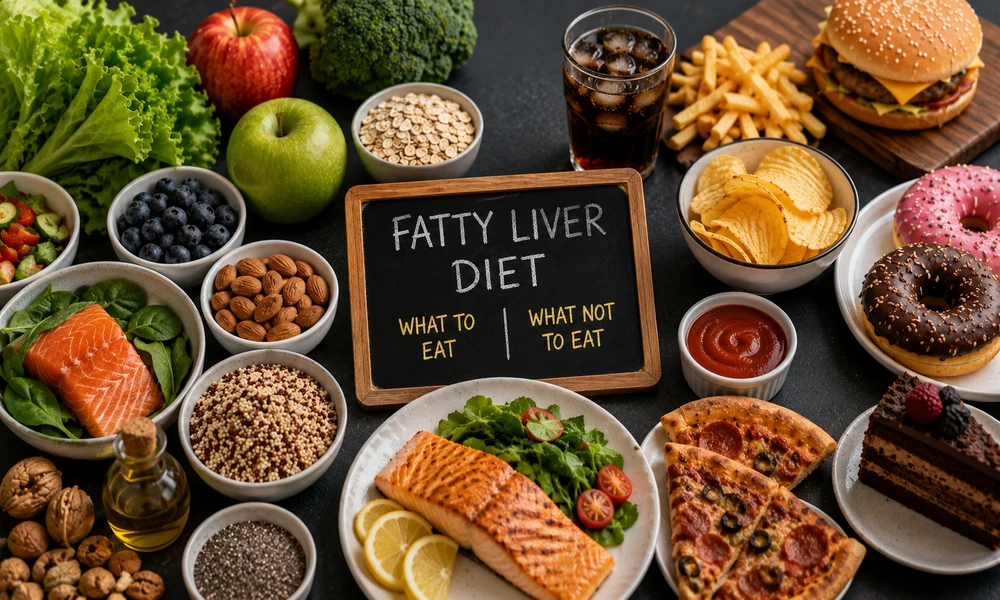
Which Food Items to Eat?
The Mediterranean diet is ideal for patients with MASLD. The diet helps with weight loss. Even if the body loses 5% of body weight, it improves liver condition. Beyond weight loss, the diet supports liver health. The Mediterranean diet is rich in veggies, pulses, and healthy fats. Vitamins, minerals, and polyphenols with antioxidant and anti-inflammatory properties are integral to the diet.
- Whole grains
Whole grain breads and other whole grain foods like rice, pasta, and cereals make it ideal for the Mediterranean diet.
- Beans and legumes
It’s advised to have three or more servings of legumes and beans in the diet. One serving means half a cup. Peas, black beans, lima beans, soyabeans, and red and black beans are high-protein sources. Regular consumption of legumes may reduce blood glucose and triglyceride levels in people. Tofu is a rich source of protein and low in fat.
- Nuts and seeds
Individuals with fatty liver can have 2 cups of nuts and seeds throughout a week. It’s best to choose raw, unsalted nuts. Common varieties of nuts include walnuts, almonds, cashews, and Brazil nuts; seeds include chia and sunflower seeds. A diet rich in nuts reduces inflammation, oxidative stress, and insulin resistance, among others. Consumption of sunflower seeds meets the need for Vitamin E and decreases the chances of developing NAFLD.
- Fruits
Eat 2 cups of fresh fruits a day. Have canned or frozen fruits. It’s advised to avoid fruit juice as it’s high in calories and low in fiber.
- Turmeric
Turmeric helps people with NAFLD by reducing liver damage. Studies show turmeric lowers serum alanine aminotransferase (ALT) and aspartate aminotransferase (AST) levels, which are extremely high in people with fatty liver.
- Veggies and Leafy Greens
It’s recommended to have veggies with 2-3 meals a day. Seasonal and fresh vegetables are the best option. Nonstarchy veggies like broccoli, carrots, or spinach are best. Starchy veggies like potatoes are better avoided.
- Garlic
Garlic is especially beneficial for people with NAFLD. Surveys have shown a reduction in liver fat and high enzyme levels in recipients.
- Poultry meat and eggs
White meat chicken without the skin is a rich source of protein. 3 ounces of chicken and 1 large egg are considered one serving.
- Seafood
It’s beneficial to have seafood and fish more than three times a week. Salmon, lake trout, mackerel, sardines, herring, and tuna are common fatty, cold-water fish that are rich in anti-inflammatory omega-3 fatty acids. Omega-3 fatty acids are good for those with NAFLD as they lower liver fat and support protective high-density lipoprotein (HDL) cholesterol.
- Sugar-free beverages
Always have beverages without sugar. Be it water, tea, or coffee – don’t add sugar. People with fatty liver should not have alcohol or soft drinks.
- Coffee
Regular consumption of coffee helps reduce the risk of NAFLD in individuals. It also decreases the risk of developing liver fibrosis in those with NAFLD.
- Healthy, Unsaturated fats
It’s suggested to use healthy oils like olive, avocado, or Grapeseed oil in cooking. The plant-based oils remain liquid at room temperature. Hydrogenated or partially hydrogenated oil is not a healthy fat. Swap butter, sausages, fatty cuts of meat, fatty fish, and nut butter for healthier options.
Which Food Items to Avoid?
Consumption of a few foods may lead to fatty liver or make it worse. It’s advised to have these foods occasionally, but remove them from the daily diet.
- Refined carbohydrates: baked food, white bread, potato chips
- Foods with saturated fats: French fries, fatty meats, whole milk, and butter milks.
- Processed food and fried foods: pizzas, canned veggies with salt, cheeses, frozen meals, canned fruits with added sugar.
- Sugary beverages and food items: processed fruit juice, sugary cereals, soda, and candy
- Processed meat/Red meat: hot dogs, chicken nuggets, lunch meats, etc.
- Alcohol: wine, beer, or any other type of alcohol is highly prohibited for patients with MASLD.
Food items to Add to Daily Diet for People with Fatty Liver
You must consult a doctor or a dietitian for an ideal meal plan. The meal plans only add the food items, not the amount. Talk to your doctor for the accurate quantity of food items to be taken. What items to include in one’s daily meal plan.
Breakfast
Oatmeal with butter, fresh berries and nuts/seeds
Egg omelet with cheese, fresh veggies
Multigrain bread with butter and toppings
Lunch
Brown rice
Veggies like carrots, broccoli, celery, bell pepper, and cucumber
Chicken and sea fish
Olive oil
Snacks
Fruits and veggies
Fresh berries with Greek Yogurt
Dinner
Beans and legumes
Sea fish like trout, salmon
Fresh veggies and fruits
Final Takeaway
When you have a high risk of developing liver fat, talk to a trusted and verified dietitian to prepare a proper eating plan. Food items like beans and legumes, leafy vegetables, whole grains, seeds, and seafood are good for patients with NAFLD. Avoid fried foods, alcohol, and sweets to reduce fatty acids. Consult a professional dietitian for further information on foods to eat and avoid on a daily basis.
