

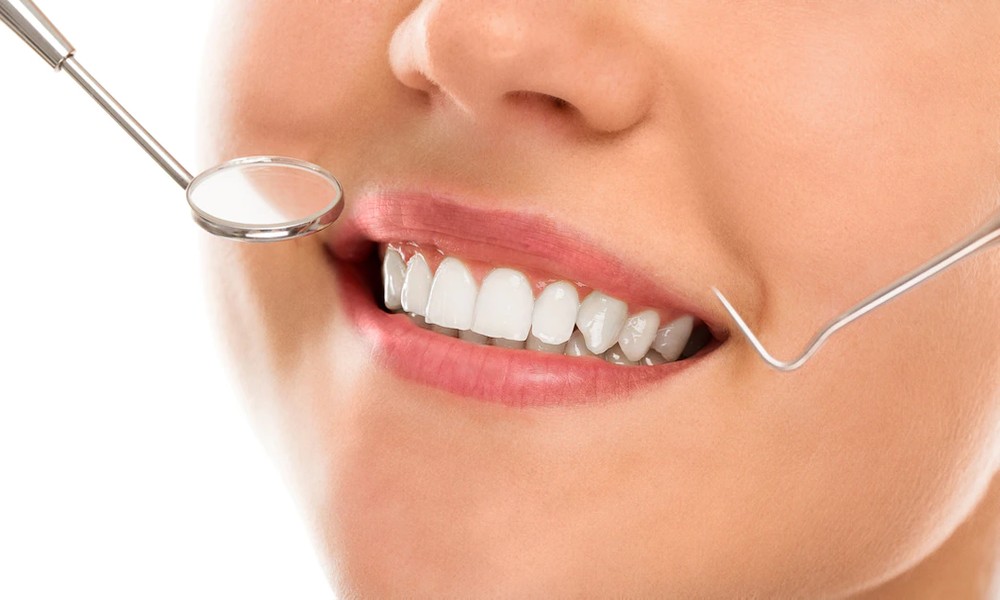
A smile makeover is rarely about just one treatment. Many cosmetic dental concerns – such as discoloration, uneven spacing, worn teeth, or minor alignment issues – often involve multiple factors that affect the overall appearance of a smile.
Rather than focusing on a single procedure, dentists frequently combine several cosmetic and restorative treatments to create a more balanced, natural-looking result. This personalized approach allows treatment plans to address both aesthetics and long-term oral health considerations.
Understanding how smile makeovers are planned can help patients feel more informed before beginning cosmetic dental treatment.
What Is a Smile Makeover?
A smile makeover refers to a customized treatment plan designed to improve the appearance of the teeth and smile. Depending on the patient’s goals, the process may involve one or several cosmetic procedures performed over time.
Smile makeover planning typically considers:
- Tooth colour
- Alignment
- Shape and proportion
- Gum appearance
- Bite function
- Existing restorations
- Overall facial balance
Every patient’s needs are different, which is why cosmetic treatment plans are highly individualized.
The Initial Consultation and Smile Assessment
The planning process usually begins with a comprehensive consultation and oral examination.
Dentists assess not only cosmetic concerns but also the health of the teeth, gums, and bite. In many cases, digital imaging, photographs, or impressions may be used to evaluate smile proportions and treatment possibilities more accurately.
Patients are often encouraged to discuss:
- Areas they would like to improve
- Previous dental experiences
- Lifestyle considerations
- Long-term expectations
- Budget and timeline preferences
A thorough assessment helps determine which treatments may work together most effectively.
Combining Cosmetic Treatments for Better Results
Smile makeovers often involve combining treatments because different procedures address different concerns.
For example:
- Teeth whitening may improve colour
- Invisalign may address spacing or crowding
- Veneers may improve shape and symmetry
- Crowns may restore damaged teeth
- Bonding may repair small chips or uneven edges
Rather than relying on one solution for every issue, dentists strategically sequence treatments to achieve a more harmonious overall result.
Invisalign Before Cosmetic Restorations
In some cases, dentists recommend orthodontic treatment before cosmetic restorations.
If teeth are significantly crowded, rotated, or unevenly spaced, clear aligners such as Invisalign may help improve alignment before veneers or crowns are placed. Correcting alignment first can sometimes reduce the amount of enamel modification needed for cosmetic restorations later.
This staged approach may also contribute to more conservative and longer-lasting treatment outcomes.
Patients researching comprehensive cosmetic dental care often explore cosmetic dentistry treatments in Cambridge to better understand how multiple procedures can be combined within a personalized smile makeover plan.
Veneers and Crowns for Shape and Symmetry
Veneers and crowns are commonly used to improve tooth shape, size, colour, and overall smile symmetry.
Veneers are thin porcelain shells bonded to the front surfaces of teeth, often used for cosmetic enhancements involving:
- Discolouration
- Minor spacing issues
- Worn enamel
- Irregular tooth shapes
Crowns, meanwhile, cover the entire tooth and may be recommended when additional structural support is needed due to damage or extensive restorations.
The choice between veneers and crowns depends on both cosmetic goals and the underlying health of the tooth.
Whitening Often Plays a Supporting Role
Professional teeth whitening is frequently incorporated into smile makeover planning.
Whitening may be completed before veneers or crowns are matched so surrounding natural teeth achieve a brighter shade first. This helps create a more consistent final appearance.
Because restorations such as veneers and crowns do not respond to whitening products, timing becomes an important consideration during treatment sequencing.
Functional Considerations Matter Too
While cosmetic improvements are important, smile makeovers also consider long-term function and oral health.
Issues such as bite alignment, teeth grinding, gum health, and jaw balance may influence treatment planning decisions. Cosmetic results that look attractive but ignore functional concerns may not remain stable over time.
For this reason, dentists often approach smile makeovers with both aesthetic and restorative goals in mind.
Treatment Timelines Vary by Patient
Some smile makeovers can be completed within a few weeks, while others may take several months depending on the procedures involved.
Factors affecting treatment length include:
- Number of procedures required
- Orthodontic treatment timelines
- Healing periods
- Complexity of restorations
- Patient preferences and scheduling
A personalized treatment plan helps patients better understand the expected sequence and timeline of care.
FAQs
What treatments are commonly included in a smile makeover?
Smile makeovers may include whitening, veneers, crowns, Invisalign, bonding, gum contouring, or other cosmetic and restorative procedures.
How do dentists decide which treatments to combine?
Treatment recommendations depend on the patient’s oral health, cosmetic goals, bite alignment, and the condition of existing teeth and restorations.
Are smile makeovers only cosmetic?
No. While appearance is a major focus, smile makeovers often consider oral function, bite balance, and long-term dental health as well.
How long does a smile makeover take?
Timelines vary depending on the complexity of treatment. Some cases may take weeks, while others involving orthodontics can take several months.
Is Invisalign commonly part of smile makeovers?
Yes. Invisalign is often used to improve alignment before cosmetic restorations such as veneers or crowns are placed.
Patients considering cosmetic dental improvements should schedule a professional dental consultation at Cambridge Centre Dental Care to discuss their goals, oral health needs, and potential treatment combinations that may help create a balanced, natural-looking smile.
