

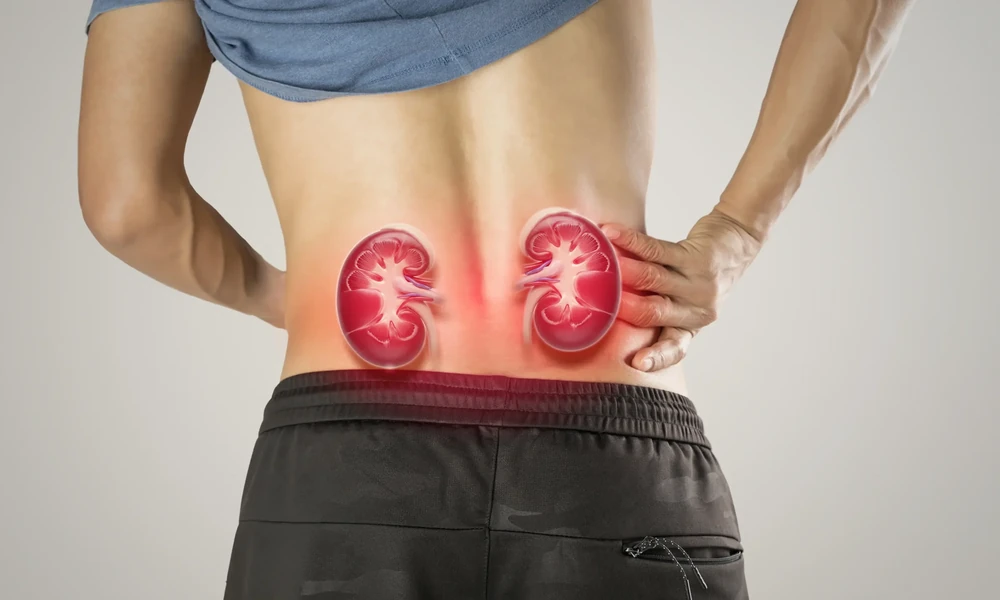
Chronic kidney disease doesn’t show up all at once, honestly. It’s a slow thing, function slipping bit by bit over years, sometimes without a single symptom marking the shift from one stage to the next. That gradual pace is exactly why it gets described in stages rather than one single diagnosis, since where someone actually sits on that scale changes what monitoring or treatment ends up looking like.
Understanding these stages tends to come up a lot once someone’s already seeing a kidney doctor in san antonio, mostly because the stage itself shapes nearly every decision after that, how often testing happens, what treatment options even get raised.
How Kidney Function Is Measured
The main number used to track kidney function is called eGFR, short for estimated glomerular filtration rate. Basically an estimate of how much blood the kidneys are filtering per minute, worked out from a blood test result along with age, sex, and sometimes body size too.
A healthy eGFR generally sits around 90 or above, though it varies a bit person to person. As function declines, that number drops, and the stages of chronic kidney disease are really just a way of grouping those numbers into ranges reflecting roughly how much function’s left.
Alongside eGFR, doctors often check for protein in urine too, since it can point to kidney damage even when eGFR itself still looks reasonably normal on paper.
The Five Stages Explained
| Stage | eGFR Range | What It Generally Means |
|---|---|---|
| Stage 1 | 90 or above | Kidney damage present, but function still normal |
| Stage 2 | 60 to 89 | Mild decline in function |
| Stage 3 | 30 to 59 | Moderate decline, often split into 3a and 3b |
| Stage 4 | 15 to 29 | Severe decline, planning for future treatment usually begins |
| Stage 5 | Below 15 | Kidney failure, dialysis or transplant typically becomes necessary |
Stage 1 and stage 2 rarely come with any noticeable symptoms, and that’s really the whole problem with catching kidney disease early. Function can drop a fair bit before anything actually feels different day to day.
What Changes As Stages Progress
As things move along, the approach to managing it usually shifts too.
- Stage 1 to 2 tends to focus on managing whatever’s actually causing the decline, blood sugar, blood pressure, that kind of thing.
- Stage 3 often brings more frequent monitoring, sometimes some dietary changes to ease strain on the kidneys.
- Stage 4 typically means more detailed planning, dialysis options or transplant evaluation get discussed ahead of time rather than waiting until stage 5 shows up.
- Stage 5 usually means active treatment, dialysis or a transplant, becomes necessary just to sustain function.
None of this progression happens at the same pace for everyone either. Some people stay stable at a given stage for years, others move through faster depending on what’s causing it and how well that’s being managed along the way.
Chronic kidney disease gets broken into five stages, mainly based on eGFR, and understanding roughly where someone sits on that scale helps clarify what monitoring or treatment might come next. This is general information, not a diagnosis, anyone concerned about their own kidney function is best off going through specific results and next steps with a qualified doctor like kidney doctor in San Antonio. Early stages slip by easily without bloodwork, which is exactly why routine testing matters so much for anyone at higher risk.
