

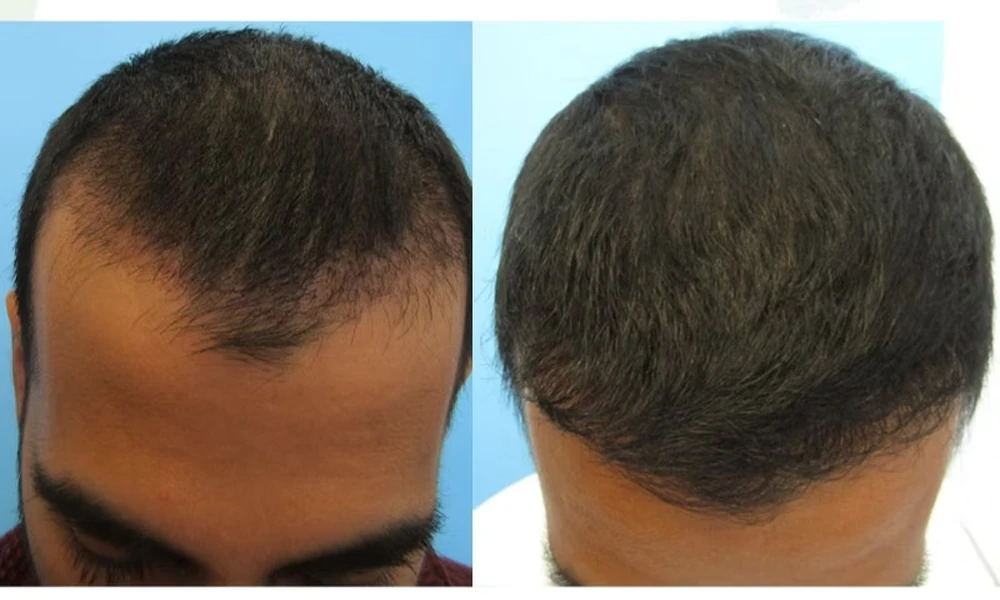
Thinning hair can sneak up quietly, a few extra strands on the pillow or a widening part in the mirror. For those noticing the first signs, the big question is whether science has finally found a solution to truly reverse early hair loss. Platelet-rich plasma (PRP) injections are gaining buzz as a promising answer, especially for people hoping to intervene before thinning progresses too far.
Understanding Early Stage Hair Thinning and Loss
Hair thinning rarely happens overnight. Often, subtle shifts in density or texture precede more obvious patches or recession. Genetics play a major role, but stress, hormonal changes, aging, and lifestyle factors all contribute.
Recognizing early signs is vital. Look for decreased volume, increased shedding, or a gradual widening of your hair’s part. For many, catching these changes before follicles become dormant can make all the difference. Early intervention maximizes what treatments can achieve, so hesitation only shortens the window for regeneration.
What is PRP and How Does It Work?
PRP stands for Platelet Rich Plasma, a component of your own blood teeming with platelets and growth factors. These growth factors (like IGF, VGEF, FGF, EGF, KGF, and CTGF) serve as messengers, signaling tissue to heal, regenerate, and grow.
During a PRP session, a small vial of blood is drawn and spun in a centrifuge. This process separates the red and white cells from the golden plasma, which is then extracted for use. The science is elegantly simple: concentrated platelets release their growth factors directly into areas of thinning scalp, stimulating regeneration at the follicular level.
PRP Injections as a Solution for Hair Thinning
PRP is not about creating new hair follicles out of nothing; instead, it revitalizes those still alive but struggling. When injected in microdroplets throughout thinning areas, PRP delivers a targeted boost, encouraging follicles to re-enter the growth phase.
The treatment is quick, typically completed in about ten minutes, with minimal pain and virtually no downtime. Both men and women can benefit, though research and clinical experience suggest women often see superior results (likely thanks to lower testosterone levels affecting their follicles differently). For men, starting PRP early in the thinning process is key.
Complementary Noninvasive Hair Restoration Treatments
While PRP is powerful on its own, combining it with other noninvasive therapies can amplify results. Laser therapy, for example, uses controlled thermal energy to “wake up” dormant follicles and enhance blood flow. Vitamin and antioxidant injections, sometimes incorporated via mesotherapy or microneedling, provide nourishment directly to the scalp where it is most needed.
Clinics often recommend pairing laser and PRP sessions, either together or spaced a couple of weeks apart, to maximize follicular health and regrowth. This synergistic approach leverages multiple mechanisms for a more comprehensive outcome.
Evaluating the Safety and Limitations of PRP Therapy
One of PRP’s greatest strengths lies in its safety profile. Since the plasma comes from your own blood, the risk of allergic reaction or rejection is virtually zero. Side effects are minimal, typically confined to mild soreness or redness at the injection sites.
However, there are limits. PRP cannot generate new follicles where none remain. In areas that are completely bald, the procedure is unlikely to deliver noticeable regrowth. Ideal candidates are those with early-stage thinning or patchy loss, not total baldness.
Maintenance and Long-Term Care
Hair regrowth is rarely a one-shot process. For lasting results, a maintenance protocol is essential. Most clinics suggest repeating PRP or laser treatments every three to four months, adjusting frequency based on response.
Sustaining hair growth also means addressing underlying factors. Hormonal imbalances, unmanaged stress, and poor nutrition can undermine even the best therapies. Some specialists recommend compounded topical medicines as part of a holistic maintenance plan.
Taking Action: Is PRP Right for You?
Assessing whether PRP fits your needs begins with an honest look at your stage of hair loss. If you still have existing, albeit thinning, follicles, you are well positioned to benefit. Choose a provider with strong credentials and experience in regenerative treatments, asking clear questions about protocol, expectations, and possible outcomes.
For those seeking more information or considering next steps, resources like Clinique Anti Aging prp hair treatment can be invaluable for learning about procedure specifics and scheduling consultations.
While PRP is not a miracle cure for all forms of hair loss, it offers real hope for individuals eager to intervene early. The sooner thinning is addressed, the better the odds of reclaiming fuller, healthier hair.
