

Key Takeaways
- Regular chiropractic care concentrates on spinal alignment and everyday pain management.
- Sports chiropractic includes joint, muscle, and movement analysis for physically active bodies.
- The right choice depends on whether your priority is daily comfort or movement performance.
Introduction
People seeking chiropractic care in Singapore usually want relief from pain, stiffness, or restricted movement. During the search, two options appear quickly: regular chiropractic and sports chiropractic care. Clinics often describe both using similar language, which makes the choice confusing. The difference does not sit in the adjustment itself but in how the chiropractor evaluates the body and decides what to treat. A person who spends most days at a desk places different demands on the body than someone who trains, competes, or exercises frequently. Choosing the right type of care depends on how the body moves during daily life and physical activity.
1. Treatment Focus: Central Spine or Full Movement Chain
Regular chiropractic care in Singapore places attention on the spine and pelvis. These areas protect the spinal cord and influence posture, balance, and nerve signalling. Patients usually seek this care for lower back pain, neck stiffness, headaches, or discomfort linked to prolonged sitting. The chiropractor adjusts spinal joints to restore movement and reduce irritation around nerves.
Sports chiropractic care works across the entire movement chain. The spine still matters, but joints such as ankles, knees, hips, shoulders, and wrists receive equal attention. These joints absorb force during running, lifting, throwing, or jumping. When one joint moves poorly, the body compensates elsewhere. A stiff ankle often leads to knee strain. A restricted shoulder often causes neck tension. Sports chiropractic care identifies these links early and treats the joint that started the problem.
2. Training and Assessment Methods
All chiropractors complete professional chiropractic training, and sports chiropractors build on this foundation through additional certification focused on injury mechanics and movement analysis. This advanced training directly shapes how they assess the body.
During a regular chiropractic consultation, the chiropractor checks posture, tests spinal movement, and screens neurological function. These steps effectively address general discomfort and postural strain.
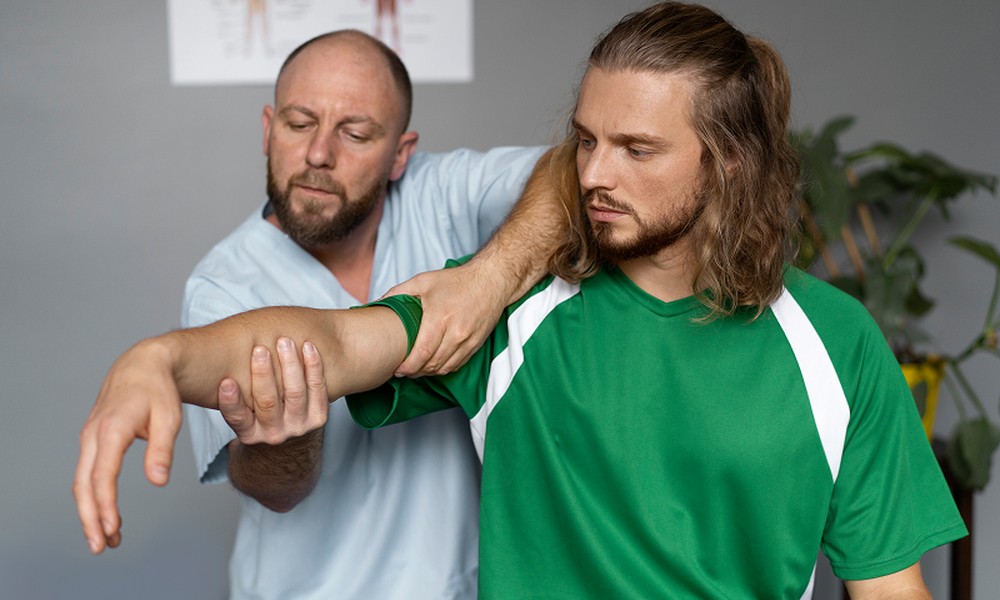
In sports chiropractic assessments, the chiropractor asks patients to perform movements such as squatting, lunging, rotating, or balancing on one leg. These movements show how joints respond under load. The chiropractor tracks joint timing, muscle activation, and movement control, then uses these observations to guide treatment decisions, especially for people who train frequently or repeat the same physical tasks.
3. Use of Extremity Adjustments and Soft Tissue Work
Regular chiropractic care often centres on adjustments around the spine. Some extremity work may appear, but it does not form the core of treatment. Patients typically receive advice on posture, workstation setup, and daily movement habits.
Sports chiropractic care relies heavily on extremity adjustments. Ankles, knees, hips, elbows, and shoulders receive direct treatment. Muscle and connective tissue work also features more prominently. Techniques such as soft tissue mobilisation and guided stretching support joint adjustments by restoring normal muscle length and control. This combination suits bodies exposed to repeated training stress.
4. Goals: Symptom Relief or Movement Efficiency
People visit a regular chiropractor to reduce discomfort that interferes with daily life. Relief allows them to sit, sleep, or work without constant distraction. This outcome meets the needs of many patients.
Sports chiropractic care addresses a different goal. Athletes and active individuals want joints to move efficiently under load. Minor restrictions affect speed, strength, and coordination long before pain appears. Sports chiropractic care focuses on restoring smooth movement so the body handles physical demand without compensation. The aim is not comfort alone but reliable movement during activity.
5. Rehabilitation and Return to Activity
Regular chiropractic care often ends once symptoms improve. Patients resume normal routines and return if discomfort returns. Sports chiropractic care continues beyond pain reduction. Treatment includes guidance on how and when to resume training. The chiropractor may adjust training volume, suggest corrective exercises, or modify movement patterns. This process reduces the chance of repeat injury. For someone recovering from a strain, this guidance determines whether progress continues or setbacks occur.
Conclusion
Regular chiropractic care and sports chiropractic care each serve a clear purpose within chiropractic care in Singapore. Regular chiropractic care improves spinal function and helps people stay comfortable in daily life. Sports chiropractic care treats bodies that face repeated physical stress from training or activity. These approaches differ in how chiropractors assess movement, choose treatment areas, and set performance goals. The right choice depends on how your body moves and the physical demands you place on it each week.
Book an assessment with TRUE Chiropractic to help you decide whether regular chiropractic or sports chiropractic care better supports your movement patterns and physical activity demands.
